
Author: Millermarker

Revolutionizing Beauty: How Medical Beauty is Changing the Aesthetic LandscapeRevolutionizing Beauty: How Medical Beauty is Changing the Aesthetic Landscape


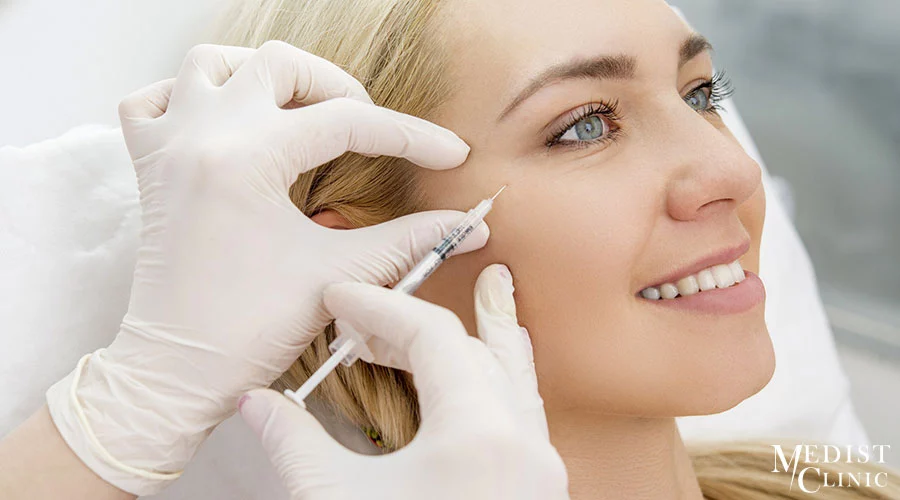
In the modern age, beauty has evolved beyond the traditional world of makeup and skincare products. Today, an increasing number of individuals are turning to medical beauty—a dynamic fusion of science and aesthetics that offers effective, non-surgical solutions for enhancing one's appearance. Combining clinical expertise with advanced technology, medical beauty provides a wide range of non-invasive treatments designed to address skin imperfections, reduce the visible signs of aging, and rejuvenate the body.

This growing sector of the beauty industry is making it easier for people to achieve their desired appearance without the need for traditional, invasive surgery. From Botox to body contouring treatments, medical beauty is proving that looking and feeling your best doesn’t always require going under the knife. In this article, we’ll take a closer look at the world of medical beauty, its increasing popularity, and the most sought-after treatments in this rapidly growing field.

What is Medical Beauty?

At its core, medical beauty refers to a variety of cosmetic treatments that combine medical knowledge with aesthetic enhancement. These treatments typically focus on non-surgical and minimally invasive procedures that provide lasting, noticeable results. Unlike traditional beauty treatments that focus on topical products, medical beauty procedures delve deeper into the layers of the skin, muscles, or fat to provide more substantial and longer-lasting improvements.

The growing appeal of medical beauty lies in the fact that it combines the science of medicine with the art of beauty, all while minimizing the risks and recovery time associated with traditional surgeries. These treatments are often performed by qualified medical professionals, such as dermatologists, cosmetic surgeons, or licensed aestheticians, ensuring that each procedure is safe and effective.

Why Medical Beauty is Gaining Popularity

The popularity of medical beauty can be attributed to several key factors, each contributing to a surge in demand:

1. Quick Results with Minimal Downtime

One of the most attractive aspects of medical beauty is its ability to provide immediate and visible results. Many procedures, such as Botox injections or dermal fillers, deliver noticeable changes almost instantly, with minimal downtime. This is especially appealing for individuals with busy lives who cannot afford the extended recovery periods associated with traditional cosmetic surgeries.

The rapid recovery and effectiveness of these treatments allow people to address their beauty concerns without significant interruption to their daily routines.

2. Subtle, Natural Enhancements

Unlike the drastic transformations often seen with cosmetic surgery, medical beauty focuses on achieving subtle, natural-looking enhancements. Treatments like Botox and dermal fillers are designed to enhance a person’s natural beauty, providing a youthful, refreshed look without altering one’s unique features. This approach is particularly appealing to individuals who want to look younger but don’t want to appear “overdone.”

The goal is often to maintain a natural balance, enhancing features like the jawline, cheeks, or lips while still preserving an individual’s overall appearance.

3. Affordability and Accessibility

Medical beauty treatments offer a more affordable and accessible option for individuals who may not be able to invest in more invasive cosmetic surgery. While the cost of each procedure can vary, non-surgical treatments are typically less expensive than full surgeries. Additionally, with more clinics and medical spas offering these services, medical beauty is becoming available to a broader range of people.

For those seeking non-invasive solutions without the high price tag of surgery, medical beauty offers a cost-effective alternative.

4. Advancements in Technology

As medical technology continues to evolve, new, innovative treatments are continuously emerging in the field of medical beauty. From lasers to injectables, modern treatments utilize cutting-edge equipment to achieve superior results. With these technological advancements, procedures have become more precise, safe, and effective.

Many of these treatments are backed by rigorous scientific research, ensuring that patients receive the best possible outcomes with minimal risk.

Popular Medical Beauty Treatments

Medical beauty encompasses a wide array of procedures, each designed to target specific aesthetic concerns. Below are some of the most popular and sought-after treatments in the industry today:

1. Botox and Other Neuromodulators

Botox is perhaps the most well-known treatment in the world of medical beauty. It works by temporarily relaxing the muscles responsible for creating wrinkles, particularly around the eyes, forehead, and mouth. Botox is commonly used to treat crow’s feet, frown lines, and forehead wrinkles, offering patients a smoother, younger-looking complexion.

Other neuromodulators such as Dysport, Xeomin, and Jeuveau are similar to Botox and work in much the same way, but they may vary in their formulation and longevity. These treatments offer a safe, non-invasive solution for reducing the appearance of fine lines and wrinkles.

2. Dermal Fillers

Dermal fillers are injectable substances used to restore volume and smoothness to areas of the face that have experienced volume loss due to aging. They are most commonly used in the cheeks, lips, under-eye area, and jawline. Fillers can help smooth deep wrinkles, plump thin lips, and add definition to the face.

The most common dermal fillers include hyaluronic acid-based options like Juvederm and Restylane, which are favored for their ability to add natural-looking volume and moisture. The results from dermal fillers are typically visible immediately and can last from six months to two years, depending on the type of filler used.

3. Laser Skin Resurfacing

Laser skin resurfacing is an advanced treatment that uses focused laser beams to improve skin texture, tone, and appearance. It targets issues such as sun damage, fine lines, wrinkles, and scarring. Laser resurfacing works by removing the outer layers of the skin and stimulating collagen production, which results in smoother, firmer skin.

Popular types of laser treatments include CO2 lasers and fractional lasers, which can penetrate the skin at different depths depending on the severity of the skin concern. Patients can expect smoother, healthier skin after a few sessions, with results lasting up to a year or more.

4. Chemical Peels

Chemical peels use a chemical solution to exfoliate the skin, helping to remove dead skin cells and promote new skin growth. This treatment is commonly used to treat acne scars, sun damage, uneven pigmentation, and fine lines. Depending on the strength of the chemical solution, chemical peels can be superficial, medium-depth, or deep.

Superficial peels are ideal for mild skin concerns, while deep peels can be used to address more severe issues like scarring or wrinkles. The healing process for deeper peels may take a bit longer, but the results are often more dramatic.

5. CoolSculpting (Fat Freezing)

CoolSculpting is a non-invasive fat reduction treatment that targets stubborn fat cells by freezing them. The process, known as cryolipolysis, freezes fat cells in areas like the abdomen, flanks, or thighs. These frozen fat cells are then naturally eliminated by the body over a few months.

CoolSculpting is ideal for individuals who have localized fat pockets that don’t respond well to diet or exercise. The treatment is non-invasive, requires no recovery time, and results in a noticeable reduction in fat after several sessions.

6. Microneedling

Microneedling, also called collagen induction therapy, involves using tiny needles to create micro-injuries in the skin. This process stimulates the skin’s natural healing response, promoting collagen and elastin production. As a result, microneedling helps to improve the appearance of fine lines, wrinkles, scarring, and uneven skin texture.

For enhanced results, microneedling is often combined with Platelet-Rich Plasma (PRP), which involves using the patient’s own blood to promote healing and rejuvenation. The combination of microneedling and PRP is often referred to as the Vampire Facial.

The Benefits of Medical Beauty

Medical beauty offers several distinct advantages that make it a popular choice for many:

1. Minimal Risk and Recovery Time

One of the most significant benefits of medical beauty is its minimized risk and quick recovery time. Non-invasive procedures like Botox and dermal fillers are generally safe, with little to no downtime required. Most individuals can resume their normal activities immediately after treatment.

2. Long-Lasting Results

Many medical beauty treatments, such as dermal fillers and laser resurfacing, provide results that last for several months or even years, making them an effective long-term solution for those seeking to maintain their youthful appearance.

3. Personalized Approach

精靈針效果 treatments are highly customizable to meet the unique needs of each patient. Practitioners assess the individual’s skin type, concerns, and goals to create a tailored treatment plan that delivers optimal results.

Conclusion

Medical beauty represents a growing trend that blends the latest in medical science with the art of beauty. By offering effective, non-invasive treatments, it provides a way for individuals to enhance their appearance, feel more confident, and address common beauty concerns without the need for surgery. As the demand for these treatments continues to rise, medical beauty is poised to become a lasting and integral part of the beauty industry. Whether it’s for anti-aging, body contouring, or skin rejuvenation, medical beauty is changing the way we approach beauty and self-care—one non-invasive treatment at a time.

Ophthalmology: The Art and Science of Preserving VisionOphthalmology: The Art and Science of Preserving Vision


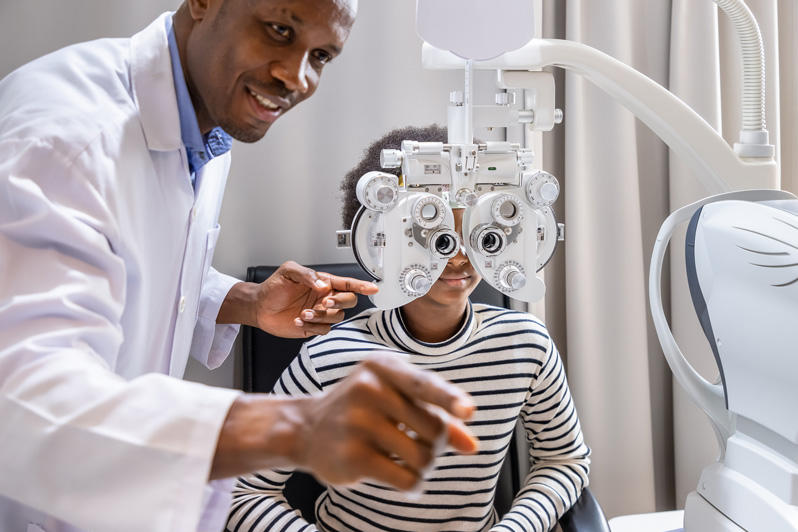
Ophthalmology, the branch of medicine concerned with the eyes and vision, is a discipline that combines intricate knowledge of the anatomy of the eye with advanced medical technology and surgical expertise. As one of the most important senses, vision is essential to how humans interact with the world. Disorders of the eye can range from common conditions like nearsightedness to complex diseases like macular degeneration or retinal disorders, making the role of ophthalmologists critical in preserving and restoring sight.

This article explores the role of ophthalmology in healthcare, the scope of treatments it encompasses, and the cutting-edge advancements shaping the future of eye care.

The Scope of Ophthalmology

Ophthalmology is a vast field that requires medical expertise and surgical skill to address a wide array of conditions affecting the eye. The term "ophthalmology" comes from the Greek words "ophthalmos" meaning eye and "logos" meaning study. Unlike optometrists who focus on eye health and vision correction, ophthalmologists are medical doctors who specialize in diagnosing, treating, and performing surgery on the eyes.

A unique aspect of ophthalmology is that it combines both the medical and surgical treatment of eye conditions. An ophthalmologist’s expertise extends beyond prescribing glasses and contact lenses; it includes performing delicate eye surgeries, diagnosing complex ocular diseases, and offering long-term management for chronic conditions.

Subspecialties Within Ophthalmology

Ophthalmology is composed of several subspecialties, each focused on a specific aspect of eye health. Some of the most notable subspecialties include:

  1. Retina and Vitreous: Retina specialists focus on the treatment of retinal diseases, which involve the thin, light-sensitive layer at the back of the eye. Diseases like diabetic retinopathy, macular degeneration, and retinal detachment fall under this subspecialty. Specialists in this field use advanced imaging techniques like Optical Coherence Tomography (OCT) to monitor the retina and guide treatment.

  2. Cataract Surgery: Cataracts, a condition where the natural lens of the eye becomes cloudy, are one of the leading causes of blindness worldwide. Cataract surgery involves the removal of the cloudy lens and replacing it with an artificial intraocular lens (IOL). The procedure is highly effective and one of the most common surgeries in the world.

  3. Glaucoma: Glaucoma is a group of eye diseases that damage the optic nerve, often due to high intraocular pressure. Glaucoma specialists focus on managing and treating this condition to prevent irreversible vision loss. Treatments may involve medications, laser therapy, or surgical procedures to relieve intraocular pressure.

  4. Cornea and External Disease: The cornea is the eye's outer layer, responsible for focusing light. Specialists in cornea and external diseases treat conditions such as corneal infections, dry eye syndrome, and keratoconus (a condition where the cornea becomes thin and bulges). Treatments range from eye drops and contact lenses to corneal transplants.

  5. Pediatric Ophthalmology: Eye conditions in children require specialized knowledge, as early diagnosis and treatment are crucial for the development of proper vision. Pediatric ophthalmologists manage conditions such as strabismus (crossed eyes), amblyopia (lazy eye), and congenital cataracts.

  6. Neuro-Ophthalmology: Neuro- 眼科檢查 is the subspecialty that deals with visual disturbances caused by diseases of the brain and nervous system. It includes conditions like optic neuritis, double vision, and vision loss due to neurological conditions such as multiple sclerosis or brain tumors.

  7. Oculoplastics: Oculoplastic surgeons specialize in reconstructive and cosmetic surgery of the eyelids, tear ducts, and the surrounding facial structures. They treat conditions such as ptosis (drooping eyelids) and orbital fractures and may also address cosmetic concerns such as eyelid surgery.

Common Eye Diseases and Their Treatments

The eye is susceptible to a range of diseases and conditions, some of which are preventable and others which require long-term management. Some of the most common conditions treated by ophthalmologists include:

  1. Refractive Errors: Refractive errors are the most common vision problems. These include myopia (nearsightedness), hyperopia (farsightedness), and astigmatism. These conditions occur when light does not focus properly on the retina. The primary treatment for refractive errors is corrective lenses, including glasses or contact lenses. For patients seeking a more permanent solution, laser surgery such as LASIK is an option.

  2. Cataracts: Cataracts are a natural part of aging and occur when the eye’s lens becomes cloudy, leading to blurry vision. Cataract surgery involves removing the cloudy lens and replacing it with a clear artificial lens. It is a highly effective procedure with a high success rate.

  3. Glaucoma: Glaucoma is a condition characterized by damage to the optic nerve, usually caused by increased pressure inside the eye. It is often called the "silent thief of sight" because it progresses slowly and painlessly. Early detection is key, and treatment may include medications, laser therapy, or surgical interventions to lower eye pressure and prevent vision loss.

  4. Macular Degeneration: Age-related macular degeneration (AMD) is a leading cause of vision loss in people over 50. It affects the central portion of the retina known as the macula, impairing central vision. While there is no cure for AMD, treatments like anti-VEGF injections can slow the progression of the disease and preserve vision.

  5. Diabetic Retinopathy: Diabetic retinopathy is a complication of diabetes that affects the blood vessels of the retina. High blood sugar can damage these vessels, leading to vision loss. Early detection through regular eye exams is crucial for managing the disease. Laser treatments, injections, and surgery can help treat diabetic retinopathy.

  6. Dry Eye Syndrome: Dry eyes occur when the eye does not produce enough tears or the tears evaporate too quickly. Symptoms include irritation, redness, and blurry vision. Treatment options include artificial tears, prescription medications, lifestyle changes, and in some cases, surgical procedures to improve tear production or reduce tear drainage.

  7. Strabismus: Strabismus, or crossed eyes, is a condition where the eyes are not properly aligned. This condition can lead to double vision and, if left untreated, amblyopia (lazy eye). Treatment may include corrective glasses, eye exercises, or surgery to align the eyes.

Advancements in Ophthalmology

Ophthalmology is one of the fastest-growing fields in medicine, thanks to technological advancements that improve diagnostic capabilities, treatment outcomes, and patient safety. Some of the most significant advancements include:

  1. Optical Coherence Tomography (OCT): OCT is a non-invasive imaging technique that allows ophthalmologists to obtain high-resolution images of the retina and optic nerve. This technology has revolutionized the diagnosis and monitoring of conditions like macular degeneration, diabetic retinopathy, and glaucoma.

  2. Femtosecond Laser Surgery: The femtosecond laser is a revolutionary tool in ophthalmology that allows for highly precise cuts in the cornea, lens, and retina. It is used in procedures like LASIK, cataract surgery, and corneal transplants. The accuracy and precision of femtosecond lasers have improved patient outcomes and reduced recovery times.

  3. Gene Therapy: Gene therapy has shown promise in treating inherited retinal diseases, such as retinitis pigmentosa and Leber congenital amaurosis. This innovative approach involves replacing or repairing defective genes in retinal cells to restore or preserve vision.

  4. Artificial Intelligence (AI): AI is transforming how ophthalmologists diagnose and treat eye diseases. AI algorithms can analyze retinal images and other diagnostic data to detect conditions like diabetic retinopathy, macular degeneration, and glaucoma at earlier stages. AI has the potential to improve diagnostic accuracy and enable faster, more efficient treatment decisions.

  5. Minimally Invasive Surgeries: Advances in minimally invasive techniques have improved the precision and safety of eye surgeries. Small incisions, micro-instrumentation, and laser technologies have made procedures like cataract surgery and glaucoma surgery faster, safer, and more effective with shorter recovery times.

The Future of Ophthalmology

The future of ophthalmology holds great promise. As the global population ages, the demand for eye care will increase, and ophthalmologists will play a vital role in ensuring people maintain healthy vision throughout their lives. Some of the exciting directions in the field include:

  1. Stem Cell Research: Stem cell therapy holds potential for treating degenerative retinal diseases, such as macular degeneration and retinitis pigmentosa. Research in this area aims to regenerate damaged retinal cells, providing hope for patients who currently have limited treatment options.

  2. Smart Contact Lenses: Smart contact lenses are an emerging technology that could revolutionize vision correction. These lenses can adjust their focus, monitor eye health, and even deliver medication directly to the eye. Though still in development, they hold great promise for the future of eye care.

  3. Telemedicine: Telemedicine is changing how healthcare is delivered, and ophthalmology is no exception. Remote consultations, virtual eye exams, and telehealth services are expanding access to eye care, especially for people in rural or underserved areas.

Conclusion

Ophthalmology is an essential and dynamic field that encompasses the science of eye health and the art of preserving vision. With ongoing advancements in technology, surgical techniques, and treatments, ophthalmology continues to improve the lives of millions by restoring or preserving sight. As the demand for eye care increases with an aging population, ophthalmologists will remain at the forefront of providing innovative and effective solutions to keep vision clear for generations to come. Whether through early detection, cutting-edge treatments, or surgical interventions, ophthalmology plays a vital role in ensuring that people continue to enjoy the gift of sight throughout their lives.

Download the Betcart App: Your Ultimate Android Betting ExperienceDownload the Betcart App: Your Ultimate Android Betting Experience


In today’s fast-paced world, betting enthusiasts want quick access to their favorite sports and casino games, all from the convenience of their mobile devices. With the Betcart App for Android, you can enjoy seamless and exciting betting action right at your fingertips. Whether you’re a seasoned bettor or a beginner, the Betcart App has everything you need to take your betting experience to the next level. In this article, we’ll guide you on how to download the Betcart Android App and explore the many benefits it offers.

How to Download the Betcart App for Android

Getting the Betcart App on your Android device is simple. Just follow these easy steps:

  1. Visit the Official Betcart Website: The safest and most secure way to download the Betcart App is by visiting the official Betcart website. You’ll find the official download link specifically for Android devices.

  2. Click on the Download Link: Once on the website, locate and click the download button for the Android app. The APK file will begin to download immediately.

  3. Install the App: After the APK file has finished downloading, open it and follow the on-screen instructions to install the Betcart App. If prompted, you may need to adjust your device settings to allow installation from unknown sources.

  4. Sign Up or Log In: Once installed, open the Betcart App. If you're a first-time user, you'll need to create a new account. If you already have a Betcart account, simply log in, make a deposit, and start betting!

Why Betcart App is Perfect for Android Users

The Betcart App for Android offers a range of features that make it the ideal choice for mobile betting. Here’s why the Betcart App stands out:

  • Comprehensive Betting Options: From live sports betting to a wide variety of casino games, the Betcart App has it all. You can bet on major sports like football, basketball, tennis, and more, or try your luck with slots, roulette, and blackjack in the casino section.

  • Real-Time Live Betting: One of the key features of the Betcart App is live sports betting. You can place bets on ongoing events and adjust your wagers as the game unfolds. This dynamic betting experience keeps you engaged and allows you to take advantage of changing odds.

  • Mobile Optimization: Whether you have a high-end Android phone or a more budget-friendly device, the Betcart App is optimized to deliver fast and smooth performance. The app is designed to ensure that you can place bets, check live odds, and navigate through the platform with ease.

  • Secure Transactions: Betcart uses high-end encryption technology to protect your personal and financial data. Whether you're making a deposit or withdrawing your winnings, you can trust that your transactions are secure and processed quickly.

Top Features of the Betcart App

When you download the اپلیکیشن بت کارت App, you unlock a world of features that enhance your betting experience:

  • Push Notifications: Stay updated with push notifications that alert you to live event updates, odds changes, special promotions, and more. This feature ensures you’re always in the loop and never miss a bet.

  • Easy Navigation: The Betcart App’s user interface is intuitive and easy to navigate. Whether you’re placing bets, checking live scores, or exploring different games, everything you need is just a tap away.

  • Exclusive Mobile Promotions: Betcart offers special promotions and bonuses to mobile users. By downloading the Betcart App, you gain access to exclusive rewards like free bets, deposit bonuses, and more, which aren’t available on the desktop version.

  • 24/7 Customer Support: Should you ever need assistance, Betcart offers round-the-clock customer support via the app. Whether you have questions about your account, need help with a payment, or want advice on betting strategies, their friendly support team is always ready to assist.

Maximizing Your Betting Experience with Betcart App

To get the most out of your Betcart App experience, consider these tips:

  • Enable Push Notifications: By allowing push notifications, you’ll receive real-time updates about live events, changing odds, and exclusive promotions. This keeps you informed so you can make timely and informed decisions while betting.

  • Explore All Betting Markets: The Betcart App offers a wide range of betting markets, from sports to casino games. Don’t limit yourself to just one type of bet. Explore different markets to maximize your chances of winning.

  • Check for Bonuses and Offers: Betcart regularly updates its promotions and offers. Be sure to check the promotions section within the app to take advantage of the latest bonus deals, free bets, and other exciting opportunities.

Conclusion

With the Betcart App for Android, you have everything you need to enjoy a premium betting experience, whether you're on the go or relaxing at home. From live sports betting to thrilling casino games, the Betcart App provides an exciting, user-friendly, and secure platform for all your betting needs.

The Future of Website and Application Development: Innovation, Trends, and Emerging OpportunitiesThe Future of Website and Application Development: Innovation, Trends, and Emerging Opportunities


Website and application development is one of the most rapidly evolving industries in the tech world. Every year, new technologies, tools, and trends emerge that push the boundaries of what’s possible, offering developers the opportunity to create more powerful, engaging, and user-friendly digital experiences. As user demands grow and technological capabilities expand, the future of development holds exciting opportunities and challenges for both developers and businesses alike.

This article will explore some of the key trends, innovations, and emerging opportunities in website and application development, shedding light on the technologies and practices shaping the digital experiences of tomorrow.

1. The Dominance of Artificial Intelligence and Machine Learning

Artificial intelligence (AI) and machine learning (ML) are quickly becoming integral components in modern website and branding agency . These technologies have the potential to revolutionize the way applications are designed, built, and interacted with. By leveraging AI and ML, developers can create smarter applications that offer personalized experiences, enhanced functionality, and improved performance.

AI and ML’s Impact on Development:

  • Smart User Experiences: AI algorithms analyze user data to predict behaviors, personalize content, and create dynamic experiences. This can range from simple product recommendations to more advanced uses like dynamic pricing and customized user interfaces.
  • Automated Development Processes: Tools powered by AI and ML, such as automated testing and code generation, can drastically speed up development cycles. These tools can identify bugs, suggest improvements, and even write some sections of code, enabling developers to focus on more strategic aspects of their projects.
  • Chatbots and Virtual Assistants: Integrating AI-powered chatbots and virtual assistants into websites and applications allows businesses to provide real-time customer support, automate repetitive tasks, and engage users in a more conversational manner.

As AI and ML technologies continue to evolve, their influence on website and application development will grow even stronger, offering developers new ways to enhance the functionality and intelligence of their products.

2. Rise of Serverless Architectures

Serverless computing has emerged as a game-changing trend in the development world, allowing developers to build and run applications without managing servers. Serverless architectures allow for the automated scaling of resources and efficient handling of backend operations, making the development process faster, more cost-effective, and less complex.

Why Serverless is Gaining Popularity:

  • Cost Efficiency: Serverless platforms charge based on usage rather than allocating resources continuously, making them more affordable, especially for smaller projects. Businesses only pay for the compute time they use, which eliminates the overhead of maintaining and scaling servers.
  • Faster Development and Deployment: With serverless architecture, developers can focus on writing the business logic for their applications, while cloud providers manage infrastructure tasks. This enables faster time-to-market and easier deployment of new features.
  • Scalability: Serverless applications automatically scale according to demand. Whether an application experiences a spike in traffic or a sudden drop, the system adjusts to provide optimal performance without manual intervention.

As more companies adopt cloud services, serverless architectures will become increasingly common, streamlining development workflows and making applications more adaptable and responsive.

3. The Growth of Blockchain in Web and App Development

Blockchain technology, often associated with cryptocurrencies, is beginning to find its way into website and application development. By offering secure, decentralized, and transparent methods for recording data, blockchain is providing new opportunities to build secure applications, enhance data privacy, and improve user trust.

How Blockchain is Changing Development:

  • Improved Security: Blockchain’s decentralized nature makes it resistant to tampering and hacking. By using blockchain to store sensitive data or manage transactions, developers can create more secure applications, particularly in industries like finance, healthcare, and e-commerce.
  • Decentralized Applications (dApps): Blockchain enables the development of decentralized applications, or dApps, that run on a peer-to-peer network rather than centralized servers. This opens up new possibilities for apps that require higher levels of security and privacy, such as voting systems, financial platforms, and supply chain tracking systems.
  • Smart Contracts: Smart contracts, which are self-executing contracts with the terms of the agreement directly written into code, allow developers to automate complex processes and transactions, reducing the need for intermediaries and increasing efficiency.

As blockchain technology matures, its use in website and application development will expand, providing innovative solutions for businesses and users alike.

4. The Rise of Voice User Interfaces (VUI)

Voice technology has made significant strides in recent years, with devices like Amazon’s Alexa, Google Assistant, and Apple’s Siri becoming common fixtures in homes and businesses. As voice interfaces become more intuitive and capable, websites and applications are beginning to incorporate voice user interfaces (VUI), allowing users to interact with digital products through spoken commands rather than traditional text-based inputs.

The Growing Role of VUI:

  • Hands-Free Experiences: Voice interfaces enable users to interact with websites and apps while multitasking or on the go. This is particularly useful in environments where typing or touch inputs are inconvenient or impractical.
  • Enhanced Accessibility: For people with disabilities, VUI provides an accessible and inclusive way to interact with websites and applications. Voice commands allow users with limited mobility or visual impairments to navigate digital platforms with ease.
  • Increased User Engagement: As voice assistants become more sophisticated, users are finding more reasons to engage with them. Incorporating VUI into apps can lead to more natural, fluid, and engaging interactions, which in turn boosts user satisfaction and retention.

As voice recognition technology improves, the role of VUI in website and application development will continue to expand, providing more natural and immersive user experiences.

5. Mobile-First and Responsive Web Design

With mobile devices now being the primary way people access the internet, it’s no surprise that mobile-first design has become a central focus of web and app development. Responsive web design, which allows websites to adapt to any screen size, is now a necessity for developers who want to provide optimal experiences across devices.

Why Mobile-First and Responsive Design Matter:

  • Improved User Experience: Mobile-first design ensures that users have a seamless experience, whether they’re browsing on a desktop, tablet, or smartphone. By prioritizing mobile design, developers ensure that their websites are usable and visually appealing on any device.
  • Higher Search Engine Rankings: Search engines like Google prioritize mobile-friendly websites in their rankings. Websites that are not optimized for mobile use are likely to suffer from lower search engine visibility, which can impact traffic and user engagement.
  • Progressive Web Apps (PWAs): PWAs combine the best features of mobile apps and websites, offering users an app-like experience without requiring them to download anything. PWAs are fast, reliable, and responsive, making them an attractive option for developers aiming to deliver high-performance mobile experiences.

As mobile internet usage continues to rise, the demand for mobile-first and responsive web design will only grow, making it essential for developers to prioritize mobile optimization in their projects.

6. Sustainability and Eco-Friendly Development Practices

As sustainability becomes an increasingly important focus in all industries, website and application development is no exception. Developers are being tasked with creating more energy-efficient and environmentally responsible digital solutions, reducing the carbon footprint of their digital products.

Sustainable Development Trends:

  • Green Hosting: Hosting services that use renewable energy are gaining popularity. By choosing eco-friendly hosting options, businesses can reduce the environmental impact of their digital presence.
  • Optimizing Resource Usage: Developers are adopting best practices to optimize website performance and reduce unnecessary data consumption, which directly impacts energy usage. Techniques like image compression, efficient coding, and reduced server load all contribute to more sustainable web applications.
  • Carbon Neutrality: Some businesses are striving to achieve carbon neutrality by offsetting their digital carbon footprint. This includes investing in renewable energy and supporting green initiatives to counterbalance the environmental impact of digital services.

Sustainable development practices are not just a passing trend—they’re becoming essential for businesses that want to be responsible and forward-thinking in their approach to digital innovation.

Conclusion: A Bright Future for Website and Application Development

The future of website and application development is bright, with new technologies and trends continuously shaping the way developers approach their craft. From the integration of AI and machine learning to the adoption of serverless architectures and blockchain, the opportunities for creating innovative, powerful, and user-centric applications are vast.

While challenges exist—such as ensuring security, meeting user demands, and embracing new technologies—the potential rewards for developers and businesses are immense. By staying ahead of the curve and embracing emerging trends, developers can create web and app experiences that are faster, smarter, more accessible, and more sustainable.

As the digital world continues to evolve, so too will the tools and techniques that developers use. The future of development promises even more exciting possibilities, making this an exciting time to be part of the ever-evolving world of website and application development.

The Power of Printing: Revolutionizing Communication and IndustryThe Power of Printing: Revolutionizing Communication and Industry


Printing, a process that transforms digital or physical content into a tangible format, has played an essential role in human communication and the development of industries for centuries. Whether for educational, commercial, or artistic purposes, printing has been a tool of significant cultural, technological, and economic importance. It is hard to imagine a world without the printed word, as it has shaped the way we learn, share knowledge, and even create art. In this article, we will explore the different types of printing, its evolution, and its continued impact on society.

The Evolution of Printing

The history of printing dates back to ancient civilizations, with one of the earliest examples being the use of stamps and seals in China around 200 AD. However, the most significant breakthrough came in 1440 with the invention of the movable-type printing press by Johannes Gutenberg. Gutenberg's press revolutionized the spread of information, making books and written materials more accessible to the masses, ultimately leading to the birth of the Renaissance, Reformation, and Scientific Revolution.

Before Gutenberg, books were painstakingly copied by hand, often reserved for the elite or wealthy due to the time-consuming process. The printing press democratized knowledge, allowing for the rapid production of books, newspapers, and pamphlets, which ultimately had far-reaching consequences in every field, from science to politics.

Types of Printing

Printing has evolved into a variety of techniques, each suited to different purposes and industries. Here are some of the most common types of printing:

1. Offset Printing

Offset printing, also known as lithography, is the most commonly used printing method for large-scale projects, such as books, newspapers, and brochures. This method involves transferring ink from a plate to a rubber blanket, which then prints onto paper. Offset printing is valued for its high-quality output and efficiency, especially for large print runs.

2. Digital Printing

Digital printing refers to the process of directly printing digital images onto various media, without the need for traditional printing plates. This method is ideal for smaller print runs, customized prints, and on-demand printing. Popular in industries like marketing and advertising, digital printing is both fast and cost-effective.

3. Screen Printing

Screen printing is often used for textiles, signs, and promotional items. It involves creating a stencil (or screen) and using it to apply layers of ink onto the printing surface. Screen printing allows for vibrant colors and is especially popular for custom T-shirts, posters, and banners.

4. Flexography

Flexography is a method often used for packaging, labels, and corrugated materials. It uses flexible plates made of rubber or photopolymer, and the ink is transferred to a surface via a rotating cylinder. Flexography is known for its ability to print on a variety of materials, including plastics, foil, and cellophane.

5. 3D Printing

3D printing is a relatively new and innovative form of printing that is revolutionizing industries like manufacturing, healthcare, and even construction. Unlike traditional printing, which produces two-dimensional images, 3D printing creates three-dimensional objects by layering materials such as plastic, metal, or resin. This technology allows for rapid prototyping, product customization, and on-demand manufacturing.

The Impact of Printing on Industries

1. Education

One of the most profound impacts of foamboard has been in the realm of education. The ability to mass-produce books, journals, and textbooks has made knowledge accessible to people worldwide. Printing has allowed ideas to be spread far beyond the boundaries of traditional learning institutions, contributing to the rise of literacy and educational advancement across cultures.

2. Advertising and Marketing

Print advertising has been a cornerstone of marketing for decades. Billboards, flyers, posters, and magazines have allowed businesses to reach their target audiences. Despite the rise of digital media, printed materials still remain an effective and tangible way to connect with consumers. Print materials are often seen as more credible and trustworthy by consumers, making them an important tool in brand marketing.

3. Art and Culture

Printing has also played a vital role in the preservation and dissemination of art and culture. Through techniques like lithography and engraving, artists have been able to produce multiple copies of their works, making art more accessible to the public. Additionally, printed books and publications have preserved and shared cultural stories, historical events, and philosophical ideas, creating a lasting legacy.

4. Manufacturing and Packaging

Printing technologies are integral to modern manufacturing processes, particularly in packaging. The ability to print labels, barcodes, and intricate designs on packaging materials has not only made products more attractive but also ensured proper labeling and compliance with safety standards. Furthermore, as sustainability becomes more important, eco-friendly printing methods and recyclable materials are gaining prominence in the industry.

The Future of Printing

With advancements in technology, printing continues to evolve. One significant trend is the shift towards sustainability. The growing demand for eco-friendly printing materials, such as biodegradable inks and recycled paper, reflects a collective desire to reduce the environmental impact of mass printing. Additionally, the integration of digital technologies with traditional printing methods is leading to more personalized and efficient solutions, particularly in areas like 3D printing, which has the potential to change how we manufacture products on a global scale.

Conclusion

Printing has come a long way since the days of Gutenberg, continuing to evolve alongside technological advances. From books that spread knowledge to modern digital printing that allows for instant communication, printing remains an essential tool in shaping our world. As we move toward a future where technology and sustainability take center stage, printing will undoubtedly continue to play a vital role in our daily lives, industries, and creative endeavors.