Category: Health & Fitness

      Hire Bodyguard in London for Executive Protection Services      Hire Bodyguard in London for Executive Protection Services

| | 0 Comments| 8:34 am


When it comes to ensuring the safety and security of high-profile individuals, executives, and important personnel, hiring a bodyguard in London has become a crucial step for many. London, as one of the busiest metropolitan cities in the world, sees a wide range of potential security threats, making personal protection services more important than ever. Whether it's for business leaders, celebrities, or diplomats, the need for trained security professionals is growing steadily, ensuring peace of mind and the ability to focus on essential tasks without fear or distraction.

Why Hire a Bodyguard in London?

Security concerns are at the forefront for individuals who are constantly in the public eye or in high-risk positions. For many, ensuring personal safety goes beyond traditional means of security, and hiring a bodyguard becomes necessary. Bodyguards are not just there to protect from physical harm; they provide a range of protective services that cover everything from personal security during events to managing unforeseen risks.

In London, the need for such protection is heightened due to the city’s bustling environment. Whether it’s a celebrity attending a premiere or a corporate executive navigating high-stakes business negotiations, the risk of unwanted attention or a physical threat can never be ruled out. A bodyguard can help mitigate these risks by offering professional protection tailored to the needs of the individual.

Moreover, hiring a bodyguard allows executives and high-profile individuals to go about their day-to-day lives without unnecessary distractions. They can attend meetings, social events, or even family gatherings knowing that their security is in capable hands. This peace of mind ensures they can focus entirely on their work, business decisions, or public engagements without constantly worrying about safety.

If you are considering enhanced personal protection, hire a bodyguard in London to ensure a comprehensive security strategy that addresses all potential threats and vulnerabilities. A professional bodyguard can help you navigate the busy streets of London with confidence and ensure your safety is prioritized at all times.

The Role of a Bodyguard in Executive Protection

Executive protection services go beyond just providing security at public events. In London, bodyguards are often tasked with providing a complete safety strategy for business leaders and executives. This includes pre-event security assessments, route planning, managing logistics, and close protection while traveling or attending meetings.

Trained bodyguards have extensive knowledge of threat detection and risk management, which is vital for protecting high-profile individuals in any situation. Their ability to adapt to various environments and manage potential threats effectively is crucial. They are not only physically trained but are also skilled in crisis management, allowing them to respond swiftly and decisively to any emergency.

In addition to offering physical protection, many bodyguards are trained in more subtle forms of security, such as surveillance and intelligence gathering. Their ability to assess situations before they escalate and respond to potential threats proactively makes them an invaluable asset in any high-risk scenario.

For those who require more than just a physical presence, the ability to coordinate with other security services such as local law enforcement or private security firms can also be an important factor in hiring a bodyguard. This comprehensive approach ensures that no detail is overlooked, providing a holistic protection strategy.

The Benefits of Executive Protection Services in London

There are numerous advantages to hiring an executive protection service in London, especially for individuals whose roles or public profiles place them at heightened risk. Some of the key benefits include:

Comprehensive Protection:

A well-rounded bodyguard service provides protection from various threats, including physical harm, harassment, and even digital threats.

Customized Security Solutions:

Bodyguards tailor their approach based on the specific needs of the individual they are protecting, ensuring a personalized service that meets all security requirements.

Professional Risk Management:

Trained bodyguards are skilled at assessing risk and taking proactive measures to minimize threats, from evaluating travel routes to managing event security.

24/7 Availability:

Many executive protection services offer round-the-clock protection, ensuring that an individual is safe at any time, whether they are traveling, attending a public event, or simply going about their day-to-day business.

Peace of Mind:

The primary benefit of hiring a bodyguard is the peace of mind it brings. Knowing that you have a trained professional protecting you allows you to focus entirely on your professional or personal goals without distraction.

Factors to Consider When Hiring a Bodyguard

While hiring a bodyguard in London is a smart decision for those who need personal security, it’s important to consider a few key factors before making your choice. Not all security services are the same, and finding the right fit for your specific needs is essential.

Experience and Training:

Ensure that the bodyguard or security firm you hire has a proven track record of working with high-profile individuals. Experience in handling various threats and

knowing how to assess risks is crucial. Their training should include defensive tactics, crisis management, and a clear understanding of legal protocols.

Specialized Skills:

Depending on your security needs, you may require bodyguards with specialized skills, such as driving security, medical training, or knowledge of international security protocols. A security firm that offers such specialized services may be a better fit for individuals with unique protection needs.

Discretion and Professionalism:

A good bodyguard should be discreet and maintain professionalism at all times. Their job is to provide protection without drawing unnecessary attention to themselves or their clients.

Reputation:

Researching the reputation of the security firm is essential. Look for testimonials and feedback from past clients to gauge the reliability and quality of service.

Conclusion

In a fast-paced city like London, personal security is more than just a precaution—it’s a necessity. Whether for public figures or private individuals who require executive protection, hiring a bodyguard ensures safety and peace of mind in a world where risks can arise unexpectedly. By focusing on factors such as experience, professionalism, and specialized services, individuals can find a security solution tailored to their needs. With the right protection, they can continue their day-to-day activities with confidence, knowing they are in capable hands.

Cardiology: A Deep Dive into the Heart and Its Lifelong CareCardiology: A Deep Dive into the Heart and Its Lifelong Care


Cardiology, the branch of medicine focused on the heart and its associated diseases, plays a critical role in the diagnosis, treatment, and prevention of cardiovascular conditions. The heart, often referred to as the body’s engine, pumps blood throughout the body, ensuring that oxygen and nutrients are delivered to every cell. Its importance cannot be overstated. Heart disease remains one of the leading causes of death worldwide, making the role of cardiologists essential in maintaining and improving the heart health of populations.

The Essential Role of Cardiologists

Cardiologists are medical professionals who specialize in diagnosing, treating, and preventing heart-related issues. Their expertise ranges from managing conditions like high blood pressure and arrhythmias to more complex diseases such as coronary artery disease and heart failure. Cardiologists assess patients’ heart health through physical exams, medical imaging, laboratory tests, and patient history, helping to identify risk factors or early signs of heart disease before more severe issues develop.

The work of cardiologists extends beyond treatment; it also includes prevention. Cardiologists guide patients in lifestyle changes—such as improving diet, increasing physical activity, and quitting smoking—to prevent the onset of heart disease. Furthermore, they provide ongoing care for individuals living with chronic heart conditions, ensuring they receive appropriate treatment and lifestyle guidance to manage their health.

Understanding Heart Disease: Key Conditions

Heart disease encompasses a range of conditions that affect the structure and function of the heart. Some of the most prevalent heart conditions include:

  1. Coronary Artery Disease (CAD): This occurs when the coronary arteries, which supply blood to the heart muscle, become narrowed or blocked due to a buildup of plaque. It can lead to chest pain, shortness of breath, and even heart attacks. Managing CAD often involves medications, lifestyle changes, and, in some cases, procedures like angioplasty or coronary artery bypass surgery.

  2. Heart Failure: Heart failure is a condition where the heart can no longer pump blood efficiently, causing a buildup of fluid in the lungs and other parts of the body. Although heart failure is a chronic condition, with proper management involving medication, diet, and physical therapy, individuals can live with this condition for many years.

  3. Arrhythmias: These are abnormal heart rhythms that can cause the heart to beat too fast, too slow, or irregularly. The most common type of arrhythmia is atrial fibrillation, which can increase the risk of stroke. Treatment options include medications, lifestyle changes, or interventions like catheter ablation or pacemaker implantation.

  4. Valvular Heart Disease: This involves damage to one or more of the heart's valves, affecting how blood flows through the heart. When valves become stiff or leaky, they can cause the heart to work harder, leading to complications. Valvular heart disease may require surgery to repair or replace the faulty valve.

  5. Congenital Heart Defects: These are structural heart abnormalities present at birth. Some defects may be minor and require no treatment, while others may require surgery or long-term management. Cardiologists work closely with pediatricians and specialists to care for individuals with congenital heart defects from infancy through adulthood.

  6. Hypertension (High Blood Pressure): High blood pressure is a significant risk factor for various heart conditions, including heart attack and stroke. By managing blood pressure through medication, lifestyle modifications, and regular monitoring, individuals can reduce their risk of developing heart disease.

The Advancements in Cardiology

In recent years, significant advancements in cardiology have transformed how heart diseases are diagnosed, treated, and prevented. Some key developments include:

  1. Cardiac Imaging: Modern imaging techniques such as echocardiograms, CT scans, and MRIs provide detailed views of the heart, helping cardiologists identify structural issues, blockages, or abnormalities. Non-invasive imaging techniques allow for early detection and more accurate diagnoses, which is crucial for effective treatment.

  2. Interventional Cardiology: Interventional cardiology involves minimally invasive procedures used to treat heart conditions. For instance, angioplasty and stent placement can open blocked arteries without the need for major surgery. These advancements have drastically reduced recovery times and improved outcomes for many patients.

  3. Robotic-Assisted Surgery: The introduction of robotic technology in heart surgeries has revolutionized how procedures are performed. Robotic-assisted surgery allows for more precise, minimally invasive operations, leading to faster recovery times and less pain for patients. Surgeons use robotic systems to perform delicate surgeries such as valve repairs or coronary bypasses with improved accuracy.

  4. Artificial Intelligence (AI) and Machine Learning: AI has begun to play an increasingly important role in cardiology. AI algorithms can analyze medical images, ECGs, and patient data to detect patterns, predict outcomes, and help cardiologists make more accurate diagnoses. These advancements promise to improve efficiency and precision in the diagnosis and treatment of heart diseases.

  5. Wearable Technology: The rise of wearable devices, such as smartwatches and heart monitors, has empowered patients to actively track their heart health. These devices can monitor heart rate, detect irregular rhythms, and alert patients or healthcare providers to any concerning changes, allowing for early intervention.

  6. Gene Therapy and Regenerative Medicine: Emerging research into gene therapy and stem cell treatments holds promise for repairing damaged heart tissue or even preventing heart disease at the genetic level. While still in the experimental stages, these cutting-edge treatments have the potential to transform cardiology in the future.

Preventing Heart Disease: A Focus on Lifestyle

A major aspect of cardiology is prevention. Cardiologists emphasize the importance of lifestyle changes to reduce the risk of heart disease. Some key preventive measures include:

  • Regular Physical Activity: Exercise is vital for maintaining a healthy heart. Cardiologists recommend engaging in at least 150 minutes of moderate-intensity aerobic exercise per week to strengthen the heart, improve circulation, and lower blood pressure.

  • Healthy Diet: A diet rich in fruits, vegetables, whole grains, and healthy fats can reduce the risk of heart disease. Limiting processed foods, salt, and unhealthy fats can also help keep cholesterol levels in check and maintain a healthy weight.

  • Avoiding Smoking: Smoking is a leading cause of heart disease. Cardiologists strongly encourage individuals to quit smoking, as it significantly increases the risk of coronary artery disease, heart attacks, and stroke.

  • Weight Management: Maintaining a healthy weight is crucial for heart health. Excess weight puts added stress on the heart and increases the risk of conditions like high blood pressure and diabetes, which are linked to heart disease.

  • Managing Stress: Chronic stress can have a negative impact on the heart. Cardiologists recommend stress management techniques such as meditation, deep breathing exercises, or yoga to reduce the risk of heart problems.

  • Regular Checkups: Regular visits to a healthcare provider help identify potential risk factors such as high blood pressure, high cholesterol, or diabetes. Early detection and intervention can prevent or manage heart disease more effectively.

The Future of Cardiology

The future of 心臟醫生推薦 looks promising, with groundbreaking developments in genetics, personalized medicine, and technology. The integration of AI into diagnostic tools, the rise of non-invasive treatments, and the potential for gene therapy all point to an era where heart disease could be detected and treated earlier than ever before. Additionally, cardiologists are focusing on improving patient outcomes and quality of life, using personalized treatment plans tailored to each individual’s unique genetic makeup and lifestyle.

Conclusion

Cardiology is a dynamic and essential field that is continuously evolving to meet the needs of patients with heart disease. With ongoing advancements in medical technology, treatment options, and preventive care, cardiologists are better equipped than ever to manage heart health. By emphasizing prevention and early intervention, cardiology can help reduce the burden of heart disease and improve the lives of individuals worldwide. As we continue to learn more about the heart and its functions, the future of cardiology holds tremendous potential to transform heart care for generations to come.

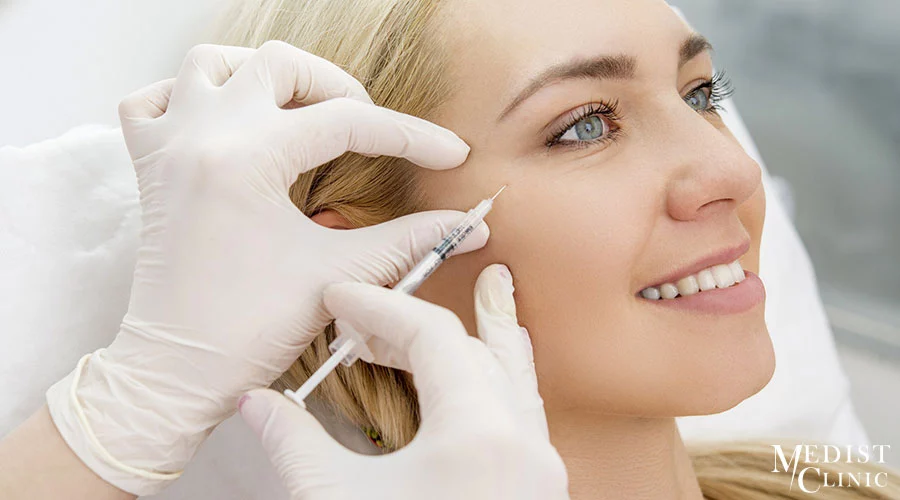
Revolutionizing Beauty: How Medical Beauty is Changing the Aesthetic LandscapeRevolutionizing Beauty: How Medical Beauty is Changing the Aesthetic Landscape


In the modern age, beauty has evolved beyond the traditional world of makeup and skincare products. Today, an increasing number of individuals are turning to medical beauty—a dynamic fusion of science and aesthetics that offers effective, non-surgical solutions for enhancing one's appearance. Combining clinical expertise with advanced technology, medical beauty provides a wide range of non-invasive treatments designed to address skin imperfections, reduce the visible signs of aging, and rejuvenate the body.

This growing sector of the beauty industry is making it easier for people to achieve their desired appearance without the need for traditional, invasive surgery. From Botox to body contouring treatments, medical beauty is proving that looking and feeling your best doesn’t always require going under the knife. In this article, we’ll take a closer look at the world of medical beauty, its increasing popularity, and the most sought-after treatments in this rapidly growing field.

What is Medical Beauty?

At its core, medical beauty refers to a variety of cosmetic treatments that combine medical knowledge with aesthetic enhancement. These treatments typically focus on non-surgical and minimally invasive procedures that provide lasting, noticeable results. Unlike traditional beauty treatments that focus on topical products, medical beauty procedures delve deeper into the layers of the skin, muscles, or fat to provide more substantial and longer-lasting improvements.

The growing appeal of medical beauty lies in the fact that it combines the science of medicine with the art of beauty, all while minimizing the risks and recovery time associated with traditional surgeries. These treatments are often performed by qualified medical professionals, such as dermatologists, cosmetic surgeons, or licensed aestheticians, ensuring that each procedure is safe and effective.

Why Medical Beauty is Gaining Popularity

The popularity of medical beauty can be attributed to several key factors, each contributing to a surge in demand:

1. Quick Results with Minimal Downtime

One of the most attractive aspects of medical beauty is its ability to provide immediate and visible results. Many procedures, such as Botox injections or dermal fillers, deliver noticeable changes almost instantly, with minimal downtime. This is especially appealing for individuals with busy lives who cannot afford the extended recovery periods associated with traditional cosmetic surgeries.

The rapid recovery and effectiveness of these treatments allow people to address their beauty concerns without significant interruption to their daily routines.

2. Subtle, Natural Enhancements

Unlike the drastic transformations often seen with cosmetic surgery, medical beauty focuses on achieving subtle, natural-looking enhancements. Treatments like Botox and dermal fillers are designed to enhance a person’s natural beauty, providing a youthful, refreshed look without altering one’s unique features. This approach is particularly appealing to individuals who want to look younger but don’t want to appear “overdone.”

The goal is often to maintain a natural balance, enhancing features like the jawline, cheeks, or lips while still preserving an individual’s overall appearance.

3. Affordability and Accessibility

Medical beauty treatments offer a more affordable and accessible option for individuals who may not be able to invest in more invasive cosmetic surgery. While the cost of each procedure can vary, non-surgical treatments are typically less expensive than full surgeries. Additionally, with more clinics and medical spas offering these services, medical beauty is becoming available to a broader range of people.

For those seeking non-invasive solutions without the high price tag of surgery, medical beauty offers a cost-effective alternative.

4. Advancements in Technology

As medical technology continues to evolve, new, innovative treatments are continuously emerging in the field of medical beauty. From lasers to injectables, modern treatments utilize cutting-edge equipment to achieve superior results. With these technological advancements, procedures have become more precise, safe, and effective.

Many of these treatments are backed by rigorous scientific research, ensuring that patients receive the best possible outcomes with minimal risk.

Popular Medical Beauty Treatments

Medical beauty encompasses a wide array of procedures, each designed to target specific aesthetic concerns. Below are some of the most popular and sought-after treatments in the industry today:

1. Botox and Other Neuromodulators

Botox is perhaps the most well-known treatment in the world of medical beauty. It works by temporarily relaxing the muscles responsible for creating wrinkles, particularly around the eyes, forehead, and mouth. Botox is commonly used to treat crow’s feet, frown lines, and forehead wrinkles, offering patients a smoother, younger-looking complexion.

Other neuromodulators such as Dysport, Xeomin, and Jeuveau are similar to Botox and work in much the same way, but they may vary in their formulation and longevity. These treatments offer a safe, non-invasive solution for reducing the appearance of fine lines and wrinkles.

2. Dermal Fillers

Dermal fillers are injectable substances used to restore volume and smoothness to areas of the face that have experienced volume loss due to aging. They are most commonly used in the cheeks, lips, under-eye area, and jawline. Fillers can help smooth deep wrinkles, plump thin lips, and add definition to the face.

The most common dermal fillers include hyaluronic acid-based options like Juvederm and Restylane, which are favored for their ability to add natural-looking volume and moisture. The results from dermal fillers are typically visible immediately and can last from six months to two years, depending on the type of filler used.

3. Laser Skin Resurfacing

Laser skin resurfacing is an advanced treatment that uses focused laser beams to improve skin texture, tone, and appearance. It targets issues such as sun damage, fine lines, wrinkles, and scarring. Laser resurfacing works by removing the outer layers of the skin and stimulating collagen production, which results in smoother, firmer skin.

Popular types of laser treatments include CO2 lasers and fractional lasers, which can penetrate the skin at different depths depending on the severity of the skin concern. Patients can expect smoother, healthier skin after a few sessions, with results lasting up to a year or more.

4. Chemical Peels

Chemical peels use a chemical solution to exfoliate the skin, helping to remove dead skin cells and promote new skin growth. This treatment is commonly used to treat acne scars, sun damage, uneven pigmentation, and fine lines. Depending on the strength of the chemical solution, chemical peels can be superficial, medium-depth, or deep.

Superficial peels are ideal for mild skin concerns, while deep peels can be used to address more severe issues like scarring or wrinkles. The healing process for deeper peels may take a bit longer, but the results are often more dramatic.

5. CoolSculpting (Fat Freezing)

CoolSculpting is a non-invasive fat reduction treatment that targets stubborn fat cells by freezing them. The process, known as cryolipolysis, freezes fat cells in areas like the abdomen, flanks, or thighs. These frozen fat cells are then naturally eliminated by the body over a few months.

CoolSculpting is ideal for individuals who have localized fat pockets that don’t respond well to diet or exercise. The treatment is non-invasive, requires no recovery time, and results in a noticeable reduction in fat after several sessions.

6. Microneedling

Microneedling, also called collagen induction therapy, involves using tiny needles to create micro-injuries in the skin. This process stimulates the skin’s natural healing response, promoting collagen and elastin production. As a result, microneedling helps to improve the appearance of fine lines, wrinkles, scarring, and uneven skin texture.

For enhanced results, microneedling is often combined with Platelet-Rich Plasma (PRP), which involves using the patient’s own blood to promote healing and rejuvenation. The combination of microneedling and PRP is often referred to as the Vampire Facial.

The Benefits of Medical Beauty

Medical beauty offers several distinct advantages that make it a popular choice for many:

1. Minimal Risk and Recovery Time

One of the most significant benefits of medical beauty is its minimized risk and quick recovery time. Non-invasive procedures like Botox and dermal fillers are generally safe, with little to no downtime required. Most individuals can resume their normal activities immediately after treatment.

2. Long-Lasting Results

Many medical beauty treatments, such as dermal fillers and laser resurfacing, provide results that last for several months or even years, making them an effective long-term solution for those seeking to maintain their youthful appearance.

3. Personalized Approach

精靈針效果 treatments are highly customizable to meet the unique needs of each patient. Practitioners assess the individual’s skin type, concerns, and goals to create a tailored treatment plan that delivers optimal results.

Conclusion

Medical beauty represents a growing trend that blends the latest in medical science with the art of beauty. By offering effective, non-invasive treatments, it provides a way for individuals to enhance their appearance, feel more confident, and address common beauty concerns without the need for surgery. As the demand for these treatments continues to rise, medical beauty is poised to become a lasting and integral part of the beauty industry. Whether it’s for anti-aging, body contouring, or skin rejuvenation, medical beauty is changing the way we approach beauty and self-care—one non-invasive treatment at a time.

도시에서 이용 가능한 최고의 스포츠 마사지 요법을 활용하세요도시에서 이용 가능한 최고의 스포츠 마사지 요법을 활용하세요


당신은 절실하게 신체적 휴식이 필요한 스포츠맨입니까? 그렇다면, 지금 당장 탁월한 스포츠 마사지 요법을 선택하는 것이 가장 좋은 방법입니다. 양질의 스포츠 마사지 요법은 몸을 달래고 편안하게 해줄 뿐만 아니라 다가올 공연을 위해 최상의 방식으로 준비시켜줍니다.

스포츠 부상 치료에 가장 적합하며, 엄청난 신체적, 정신적 회복을 제공합니다. 강렬한 피로와 근육 긴장은 독창적인 스포츠 마사지 요법으로 치료하면 순식간에 사라집니다. 그러나 원하는 결과를 얻으려면 신뢰할 수 있는 서비스 제공자를 찾아야 합니다. 이 기사에서는 다윈이나 다른 도시에서 이용할 수 있는 최고의 스포츠 마사지 요법을 이용하려고 할 때 찾아야 할 주요 기능에 대해 설명합니다.

라이센스가 있는 서비스 제공자를 선택하세요:

고품질 스포츠 출장안마 요법을 고용하고자 할 때, 이 분야에서 업무를 수행할 수 있는 공인 기관에서 허가 및 인증을 받은 서비스 제공자를 선택하세요. 허가 및 인증을 받은 서비스 제공자만이 신뢰할 수 있는 서비스로 지원하여 반드시 원하는 결과를 얻을 수 있도록 보장할 수 있습니다. 그 외에도 허가 서비스 제공자는 서비스의 질과 평판을 그대로 유지하기 위해 노력하면서 고객에게 가장 효율적인 스포츠 마사지 서비스를 제공할 수 있도록 합니다. 따라서 최상의 결과를 얻으려면 선택하는 마사지 서비스 제공자가 허가 및 인증을 받은 서비스 제공자인지 확인하세요.

마사지 치료사의 전문성:


스포츠 마사지 요법을 선택할 때 가장 큰 역할을 하는 것은 마사지 치료사의 전문성입니다. 따라서 결국 서비스 제공자를 선택하기 전에 마사지 팔러가 서비스를 수행하기 위해 고도로 훈련되고 전문적인 전문가만 고용하는지 확인하십시오. 마사지 요법을 효율적으로 수행하려면 뛰어난 전문 지식이 필요하며 전문가만이 그렇게 할 수 있습니다. 마사지 요법을 수행하는 방법을 전혀 모르는 아마추어나 평신도에 불과한 소위 서비스 제공자에게 시간과 돈을 낭비할 이유가 없습니다. 해야 할 일은 참여하려는 서비스 제공자의 온라인 웹사이트를 방문하여 이전 또는 기존 고객의 피드백을 살펴보는 것입니다. 이를 통해 이 마사지 팔러에서 기대할 수 있는 서비스의 품질에 대해 많은 것을 알 수 있습니다.

저렴한 요금:

최고의 마사지 치료사를 선택할 때 가장 중요한 것은 제공되는 가격입니다. 아무리 효율적이라고 주장하더라도 가격이 너무 높다면 어떤 종류의 서비스 제공자에게도 접근할 생각을 할 수 없습니다. 그 외에도 양질의 지원을 받을 수 있다는 확신도 가질 수 없습니다. 따라서 가능한 가장 저렴한 가격으로 뛰어난 품질의 서비스를 제공하는 서비스 제공자를 찾아 가장 보람 있는 스포츠 마사지 요법을 이용하세요. 마을에서 가장 좋은 서비스 제공자는 항상 가격을 낮게 유지하여 필요한 사람이 누구나 뛰어난 품질의 서비스를 이용할 수 있도록 합니다. 따라서 도시에서 가장 좋은 서비스 제공자를 이용할 수 있게 되면 제공되는 요금은 결코 문제가 되지 않습니다.

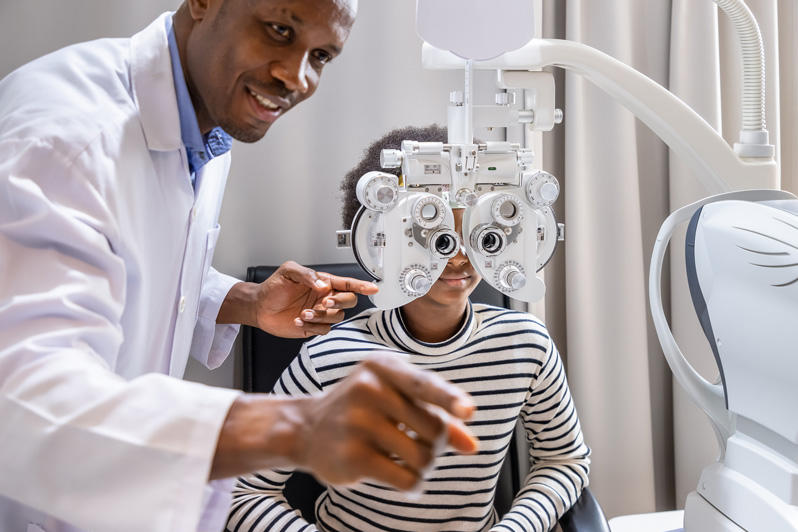
Ophthalmology: The Art and Science of Preserving VisionOphthalmology: The Art and Science of Preserving Vision


Ophthalmology, the branch of medicine concerned with the eyes and vision, is a discipline that combines intricate knowledge of the anatomy of the eye with advanced medical technology and surgical expertise. As one of the most important senses, vision is essential to how humans interact with the world. Disorders of the eye can range from common conditions like nearsightedness to complex diseases like macular degeneration or retinal disorders, making the role of ophthalmologists critical in preserving and restoring sight.

This article explores the role of ophthalmology in healthcare, the scope of treatments it encompasses, and the cutting-edge advancements shaping the future of eye care.

The Scope of Ophthalmology

Ophthalmology is a vast field that requires medical expertise and surgical skill to address a wide array of conditions affecting the eye. The term "ophthalmology" comes from the Greek words "ophthalmos" meaning eye and "logos" meaning study. Unlike optometrists who focus on eye health and vision correction, ophthalmologists are medical doctors who specialize in diagnosing, treating, and performing surgery on the eyes.

A unique aspect of ophthalmology is that it combines both the medical and surgical treatment of eye conditions. An ophthalmologist’s expertise extends beyond prescribing glasses and contact lenses; it includes performing delicate eye surgeries, diagnosing complex ocular diseases, and offering long-term management for chronic conditions.

Subspecialties Within Ophthalmology

Ophthalmology is composed of several subspecialties, each focused on a specific aspect of eye health. Some of the most notable subspecialties include:

  1. Retina and Vitreous: Retina specialists focus on the treatment of retinal diseases, which involve the thin, light-sensitive layer at the back of the eye. Diseases like diabetic retinopathy, macular degeneration, and retinal detachment fall under this subspecialty. Specialists in this field use advanced imaging techniques like Optical Coherence Tomography (OCT) to monitor the retina and guide treatment.

  2. Cataract Surgery: Cataracts, a condition where the natural lens of the eye becomes cloudy, are one of the leading causes of blindness worldwide. Cataract surgery involves the removal of the cloudy lens and replacing it with an artificial intraocular lens (IOL). The procedure is highly effective and one of the most common surgeries in the world.

  3. Glaucoma: Glaucoma is a group of eye diseases that damage the optic nerve, often due to high intraocular pressure. Glaucoma specialists focus on managing and treating this condition to prevent irreversible vision loss. Treatments may involve medications, laser therapy, or surgical procedures to relieve intraocular pressure.

  4. Cornea and External Disease: The cornea is the eye's outer layer, responsible for focusing light. Specialists in cornea and external diseases treat conditions such as corneal infections, dry eye syndrome, and keratoconus (a condition where the cornea becomes thin and bulges). Treatments range from eye drops and contact lenses to corneal transplants.

  5. Pediatric Ophthalmology: Eye conditions in children require specialized knowledge, as early diagnosis and treatment are crucial for the development of proper vision. Pediatric ophthalmologists manage conditions such as strabismus (crossed eyes), amblyopia (lazy eye), and congenital cataracts.

  6. Neuro-Ophthalmology: Neuro- 眼科檢查 is the subspecialty that deals with visual disturbances caused by diseases of the brain and nervous system. It includes conditions like optic neuritis, double vision, and vision loss due to neurological conditions such as multiple sclerosis or brain tumors.

  7. Oculoplastics: Oculoplastic surgeons specialize in reconstructive and cosmetic surgery of the eyelids, tear ducts, and the surrounding facial structures. They treat conditions such as ptosis (drooping eyelids) and orbital fractures and may also address cosmetic concerns such as eyelid surgery.

Common Eye Diseases and Their Treatments

The eye is susceptible to a range of diseases and conditions, some of which are preventable and others which require long-term management. Some of the most common conditions treated by ophthalmologists include:

  1. Refractive Errors: Refractive errors are the most common vision problems. These include myopia (nearsightedness), hyperopia (farsightedness), and astigmatism. These conditions occur when light does not focus properly on the retina. The primary treatment for refractive errors is corrective lenses, including glasses or contact lenses. For patients seeking a more permanent solution, laser surgery such as LASIK is an option.

  2. Cataracts: Cataracts are a natural part of aging and occur when the eye’s lens becomes cloudy, leading to blurry vision. Cataract surgery involves removing the cloudy lens and replacing it with a clear artificial lens. It is a highly effective procedure with a high success rate.

  3. Glaucoma: Glaucoma is a condition characterized by damage to the optic nerve, usually caused by increased pressure inside the eye. It is often called the "silent thief of sight" because it progresses slowly and painlessly. Early detection is key, and treatment may include medications, laser therapy, or surgical interventions to lower eye pressure and prevent vision loss.

  4. Macular Degeneration: Age-related macular degeneration (AMD) is a leading cause of vision loss in people over 50. It affects the central portion of the retina known as the macula, impairing central vision. While there is no cure for AMD, treatments like anti-VEGF injections can slow the progression of the disease and preserve vision.

  5. Diabetic Retinopathy: Diabetic retinopathy is a complication of diabetes that affects the blood vessels of the retina. High blood sugar can damage these vessels, leading to vision loss. Early detection through regular eye exams is crucial for managing the disease. Laser treatments, injections, and surgery can help treat diabetic retinopathy.

  6. Dry Eye Syndrome: Dry eyes occur when the eye does not produce enough tears or the tears evaporate too quickly. Symptoms include irritation, redness, and blurry vision. Treatment options include artificial tears, prescription medications, lifestyle changes, and in some cases, surgical procedures to improve tear production or reduce tear drainage.

  7. Strabismus: Strabismus, or crossed eyes, is a condition where the eyes are not properly aligned. This condition can lead to double vision and, if left untreated, amblyopia (lazy eye). Treatment may include corrective glasses, eye exercises, or surgery to align the eyes.

Advancements in Ophthalmology

Ophthalmology is one of the fastest-growing fields in medicine, thanks to technological advancements that improve diagnostic capabilities, treatment outcomes, and patient safety. Some of the most significant advancements include:

  1. Optical Coherence Tomography (OCT): OCT is a non-invasive imaging technique that allows ophthalmologists to obtain high-resolution images of the retina and optic nerve. This technology has revolutionized the diagnosis and monitoring of conditions like macular degeneration, diabetic retinopathy, and glaucoma.

  2. Femtosecond Laser Surgery: The femtosecond laser is a revolutionary tool in ophthalmology that allows for highly precise cuts in the cornea, lens, and retina. It is used in procedures like LASIK, cataract surgery, and corneal transplants. The accuracy and precision of femtosecond lasers have improved patient outcomes and reduced recovery times.

  3. Gene Therapy: Gene therapy has shown promise in treating inherited retinal diseases, such as retinitis pigmentosa and Leber congenital amaurosis. This innovative approach involves replacing or repairing defective genes in retinal cells to restore or preserve vision.

  4. Artificial Intelligence (AI): AI is transforming how ophthalmologists diagnose and treat eye diseases. AI algorithms can analyze retinal images and other diagnostic data to detect conditions like diabetic retinopathy, macular degeneration, and glaucoma at earlier stages. AI has the potential to improve diagnostic accuracy and enable faster, more efficient treatment decisions.

  5. Minimally Invasive Surgeries: Advances in minimally invasive techniques have improved the precision and safety of eye surgeries. Small incisions, micro-instrumentation, and laser technologies have made procedures like cataract surgery and glaucoma surgery faster, safer, and more effective with shorter recovery times.

The Future of Ophthalmology

The future of ophthalmology holds great promise. As the global population ages, the demand for eye care will increase, and ophthalmologists will play a vital role in ensuring people maintain healthy vision throughout their lives. Some of the exciting directions in the field include:

  1. Stem Cell Research: Stem cell therapy holds potential for treating degenerative retinal diseases, such as macular degeneration and retinitis pigmentosa. Research in this area aims to regenerate damaged retinal cells, providing hope for patients who currently have limited treatment options.

  2. Smart Contact Lenses: Smart contact lenses are an emerging technology that could revolutionize vision correction. These lenses can adjust their focus, monitor eye health, and even deliver medication directly to the eye. Though still in development, they hold great promise for the future of eye care.

  3. Telemedicine: Telemedicine is changing how healthcare is delivered, and ophthalmology is no exception. Remote consultations, virtual eye exams, and telehealth services are expanding access to eye care, especially for people in rural or underserved areas.

Conclusion

Ophthalmology is an essential and dynamic field that encompasses the science of eye health and the art of preserving vision. With ongoing advancements in technology, surgical techniques, and treatments, ophthalmology continues to improve the lives of millions by restoring or preserving sight. As the demand for eye care increases with an aging population, ophthalmologists will remain at the forefront of providing innovative and effective solutions to keep vision clear for generations to come. Whether through early detection, cutting-edge treatments, or surgical interventions, ophthalmology plays a vital role in ensuring that people continue to enjoy the gift of sight throughout their lives.