Category: Health & Fitness

Live Workshops That Heal: Expose The From Psychic Trauma To Rejoice SeeLive Workshops That Heal: Expose The From Psychic Trauma To Rejoice See


In nowadays s fast-paced world, many people occult wounds from past experiences that involve their emotional, unhealthy, and sometimes natural science well-being. Trauma, whether from childhood, relationships, accidents, or abrupt life changes, often leaves deep scars that shape how individuals see themselves and interact with the earth. The From Trauma to Triumph live workshops volunteer a right chance for curative, providing a safe, certificatory quad where participants can start to unpick these layers and move toward resiliency and authorization.

These workshops are not just another self-help seminar; they are immersive experiences studied to nurture real transmutation. Unlike orthodox therapy, which often occurs one-on-one and over long periods, the live shop initialize creates a dynamic communal . Participants share their journeys, learn from each other, and feel seen in ways that are deeply validating. This aggroup can be one of the most curative elements, as it combats the isolation and dishonour that often follow trauma.

At the core of the From Trauma to Triumph undergo is the opinion that trauma, while profoundly uncomfortable, does not have to define a person s future. The workshops emphasise the homo capacity for resiliency, commandment tools that invest participants to reclaim their personal narrative. By erudition to identify psychic trauma healing community s affect on their thoughts, emotions, and behaviors, attendees gain the pellucidity necessary to start revising their write up from one of woe to effectiveness.

One of the unique aspects of these workshops is their synergistic nature. Facilitators steer participants through a blend of prove-based practices including heedfulness, corporeal sanative, narrative therapy, and expressive arts. This variety allows individuals to find what resonates best with their personal remedial journey. For example, corporal techniques help people reconnect with their bodies, often the first target where trauma lodges itself, while story approaches promote the reshaping of pernicious internalized stories.

Moreover, the workshops prioritize creating a psychic trauma-informed environment where refuge and trust are foundational. Facilitators are peculiarly skilled to recognise the signs of psychic trauma and react with pity and sensitiveness. This care to feeling refuge means participants can explore ungovernable emotions and memories without fear of discernment or retraumatization. In such a ancillary setting, vulnerability becomes a seed of bravery, and healthful becomes a collective act.

The From Trauma to Triumph workshops also address the often unmarked cartesian product between trauma and personal identity. Participants teach to recognise how trauma can twist self-image, lead to feelings of inappropriateness, and affect relationships with others. Through target-hunting exercises and group discussions, they begin to reconstruct a feel of self that is grounded in sufferance and hope. This work on often sparks unplumbed shifts, leadership to redoubled confidence, self-compassion, and a renewed sense of purpose.

Another powerful element of the workshops is their sharpen on realistic tools for managing symptoms of trauma such as anxiousness, depression, flashbacks, and emotional dysregulation. Facilitators instruct ventilation techniques, grounding exercises, and psychological feature reframing strategies that participants can use long after the workshop ends. This equips individuals not only to cope but to fly high in the face of on-going challenges, turning moments of into opportunities for increment.

Importantly, these live workshops observ the of psychic trauma experiences and the individuality of alterative paths. Each participant is bucked up to proceed at their own pace, recognizing that retrieval is not linear. The common view allows people to see different stages of remedial in others, offer hope and inspiration that shift is possible even when it feels distant.

The vim of a live, in-person or realistic workshop adds another level of bear on. The divided space whether physical or digital helps make a momentum, where therapeutic vim is amplified by group purpose and empathy. Many participants account feeling a deep sense of connection and belonging, which can be deeply restorative in contrast to the loneliness psychic trauma often brings.

Furthermore, the From Trauma to Triumph go through integrates on-going support by providing resources, follow-up Sessions, and opportunities for continued community involvement. This continuity helps get the shape up made during the workshops and encourages a long to self-care and therapeutic. Participants leave not only with new skills but also with a network of allies who sympathize and formalize their undergo.

In essence, these workshops serve as a beacon of hope for anyone quest to break away free from the irons of psychic trauma. They honor the courageousness it takes to face pain and transform it into rejoice. By combine testify-based therapeutic techniques with feel for community support, the From Trauma to Triumph go through creates a mighty where wounds begin to heal, resilience is nurtured, and individuals reclaim their great power.

In a smart set where psychic trauma is often stigmatized or unmarked, these workshops volunteer a subverter set about. They challenge the whimsy that trauma is a life condemn and instead observe the human being inspirit s ability to heal and fly high. Through this transformative travel, participants not only find parts of themselves lost to psychic trauma but also unwrap new strengths and possibilities they might never have fanciful.

Ultimately, the From Trauma to Triumph live workshops are more than remedial sessions they are transformative experiences that tempt participants to rewrite their life stories with hope, courage, and empowerment. For anyone ready to venture on this journey, these workshops offer a unplumbed chance to move from pain to purpose, from closing off to connection, and from surviving to truly flourishing.

The Rise of Medical Beauty: How Innovation and Self-Care Are Changing AestheticsThe Rise of Medical Beauty: How Innovation and Self-Care Are Changing Aesthetics


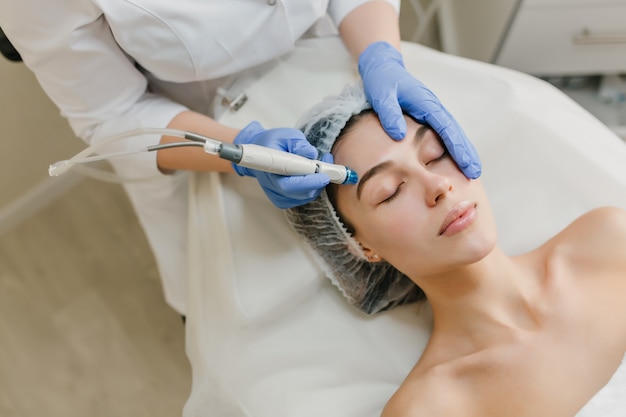
In recent years, the beauty industry has undergone a profound transformation. The traditional notion of beauty—often defined by flawless skin, youthful features, and ideal proportions—has expanded to embrace new technologies and techniques that allow individuals to enhance their appearance in more customized and effective ways. This evolution has given rise to medical beauty, a rapidly growing sector that merges medical science with cosmetic enhancement. From non-invasive treatments to cutting-edge skin therapies, medical beauty offers individuals the chance to improve their appearance in ways that were once reserved for the elite or required invasive procedures.

But what exactly does medical beauty entail, and how has it reshaped the beauty landscape? In this article, we will explore the world of medical beauty, its key treatments, the benefits it provides, and why it’s becoming such a popular choice for self-care in the modern age.

What Is Medical Beauty?

Medical beauty, often referred to as aesthetic medicine, encompasses a wide range of minimally invasive and non-surgical procedures that focus on enhancing a person’s physical appearance. These treatments can address various concerns such as wrinkles, skin texture, pigmentation, body contours, and even hair loss. Unlike traditional beauty treatments (like facials or makeup), medical beauty involves more specialized, scientifically-backed procedures often administered by licensed professionals, such as dermatologists, cosmetic surgeons, or trained medical aestheticians.

The hallmark of medical beauty is that it combines medical knowledge with cosmetic enhancements, ensuring that treatments are both effective and safe. With the rise of non-invasive options, more people are turning to medical beauty to achieve aesthetic goals without the need for traditional surgeries like facelifts or liposuction.

Why Medical Beauty Is Gaining Popularity

Medical beauty treatments have skyrocketed in popularity for several reasons. These factors have made them a desirable option for individuals seeking to enhance their appearance:

1. Non-Surgical Alternatives to Cosmetic Surgery

In contrast to traditional surgical procedures, medical beauty offers minimally invasive or non-invasive alternatives that come with fewer risks, reduced recovery times, and lower costs. For example, Botox, dermal fillers, and laser treatments offer clients noticeable results without the need for general anesthesia, incisions, or long recovery periods. The appeal of these less invasive options is clear: they offer a way to look younger, fresher, or more sculpted without the commitment of surgery.

2. Personalization and Customization

One of the greatest advantages of medical beauty is its highly personalized nature. Unlike one-size-fits-all 去微絲血管 treatments, medical beauty procedures are tailored to the specific needs of each client. A dermatologist or medical professional will assess the individual’s skin type, concerns, and goals before recommending a personalized treatment plan. Whether it's Botox for wrinkle reduction, laser treatments for pigmentation, or fillers for volume restoration, medical beauty focuses on delivering results that align with each person's unique features.

3. Quick and Convenient Results

Time is precious, and many individuals today are looking for treatments that fit into their busy lifestyles. Most medical beauty procedures are quick—often requiring little to no downtime. For instance, Botox and dermal fillers can be administered in under an hour, allowing clients to go back to their daily routines immediately. Similarly, laser treatments and chemical peels can show results in a short amount of time with minimal recovery, making them ideal for people with hectic schedules.

4. Long-Lasting Effects

Many non-surgical procedures offer results that last from several months to over a year, depending on the treatment. Botox can last around 3 to 6 months, while dermal fillers can provide youthful volume for up to 18 months. Additionally, treatments like CoolSculpting can lead to permanent fat reduction, providing a long-term solution for body contouring. With such long-lasting effects, clients are often able to achieve desired results with fewer follow-up treatments, making medical beauty both cost-effective and time-efficient.

Popular Medical Beauty Treatments

The field of medical beauty is vast, with a wide range of treatments designed to address different cosmetic concerns. Below are some of the most popular treatments that have helped redefine the beauty industry:

1. Botox and Neurotoxins

Botox is one of the most famous and widely used injectable treatments in the medical beauty industry. It works by temporarily paralyzing the muscles that cause wrinkles, resulting in smoother, more youthful skin. Botox is commonly used to treat fine lines around the eyes (crow’s feet), forehead lines, and between the eyebrows (frown lines). Other neurotoxins like Dysport and Xeomin offer similar results.

2. Dermal Fillers

Dermal fillers are injectable substances used to restore volume and smooth out wrinkles. As we age, we lose fat and collagen in areas of the face, leading to sagging or hollowing of the skin. Dermal fillers can help reverse these effects by adding volume to the cheeks, lips, and under-eye areas, as well as smoothing out lines around the mouth and nose. Popular fillers include hyaluronic acid-based products like Juvederm and Restylane, which offer natural-looking, long-lasting results.

3. Laser Treatments

Lasers have revolutionized the way we treat skin imperfections. Various types of laser treatments can target specific skin concerns:

  • Fractional Laser Resurfacing: Used to treat skin texture issues, fine lines, and acne scars, fractional lasers stimulate collagen production and encourage skin renewal.
  • Laser Hair Removal: A highly effective way to permanently reduce unwanted hair, laser hair removal uses intense light to target and destroy hair follicles, preventing future growth.
  • Pigmentation Treatments: Lasers can also treat uneven skin tone, age spots, and hyperpigmentation by targeting the melanin in the skin, resulting in a clearer, more uniform complexion.

4. Chemical Peels

Chemical peels are designed to exfoliate the skin by removing the outermost layers of dead skin cells, encouraging the regeneration of healthier skin. This treatment can be used to treat a range of issues such as acne, hyperpigmentation, fine lines, and dull skin. Depending on the strength of the peel, it can range from superficial (for mild skin concerns) to deep (for more severe issues like scarring).

5. Microneedling

Microneedling, also known as collagen induction therapy, uses tiny needles to create controlled micro-injuries in the skin, stimulating collagen and elastin production. It is often used to improve the appearance of acne scars, stretch marks, and fine lines. Microneedling can also enhance the absorption of skincare products, allowing for better results when used alongside topical treatments.

6. Non-Surgical Fat Reduction

Non-invasive fat reduction treatments like CoolSculpting and SculpSure target localized fat deposits by using cooling or heat to break down fat cells. Over time, the body naturally eliminates these fat cells, leading to a slimmer, more contoured physique. These treatments are ideal for individuals who are close to their goal weight but struggle with stubborn areas of fat.

The Benefits of Medical Beauty

Beyond the immediate cosmetic improvements, medical beauty treatments offer several other advantages:

  • Minimal Risk: As these procedures are non-invasive or minimally invasive, the risk of complications is lower than that associated with traditional cosmetic surgery.
  • Natural Results: Skilled practitioners focus on enhancing natural features rather than altering them, allowing clients to look refreshed and youthful without the “overdone” appearance.
  • Boost in Confidence: Many individuals seek medical beauty treatments not just for aesthetic reasons but for the emotional boost they provide. The improvements in appearance can significantly enhance self-esteem and overall well-being.

The Future of Medical Beauty

The future of medical beauty is poised for even greater innovation, thanks to advances in technology, biotechnology, and personalized medicine. With the increasing demand for non-surgical treatments, the industry is likely to continue evolving toward more effective and accessible options. For example, AI-driven tools could soon be used to create highly personalized treatment plans, while new technologies may enable even faster, more precise results with fewer side effects.

Conclusion

Medical beauty has revolutionized how we approach self-care and aesthetic enhancement. Offering a wide range of non-invasive and minimally invasive treatments, it provides individuals with effective, safe, and long-lasting solutions to enhance their natural beauty. Whether you're looking to smooth wrinkles, sculpt your body, or rejuvenate your skin, the world of medical beauty offers countless options to help you achieve your aesthetic goals. With its growing popularity, medical beauty is poised to remain at the forefront of the beauty industry for years to come, enabling people to feel confident and empowered in their skin.

Requisite Skin Care Tips And Techniques For A Sound GlowRequisite Skin Care Tips And Techniques For A Sound Glow


As the largest organ of the body, our skin plays an noteworthy role in protecting us from elements and retention our intramural variety meat safe. However, with the constant to pollution, stress, and other negative factors, our skin can become dry, dull, and unerect to various issues. That’s why it is life-sustaining to have a proper skin care function in direct to maintain its health and refulgence. In this clause, we will search some necessary skin care tips and techniques to help you attain a sound glow.

First and first, it is crucial to empathize your skin type and use products that are proper for it. There are in the main five main skin types- normal, dry, oily, , and medium. Each type has its unique characteristics and requires a different set about to skincare. For instance, if you have dry skin, you should look for products with hydrating ingredients like hyaluronic acid and avoid those with intoxicant as it can divest your skin of its cancel oils. On the other hand, populate with oily skin should opt for products with oil-free or non-comedogenic labels to prevent breakouts. Identifying your skin type is the first step towards an effective skin care subroutine.

Next, cleaning your skin is an necessity step in any پروفایلو care procedure. Our skin accumulates dirt, oil, and other impurities throughout the day, qualification it crucial to wash it . However, it is necessary to choose a appease cleanser that does not strip your skin of its natural oils. Harsh cleansers can lead to waterlessness and pique, especially for those with sensitive skin. It is advisable to wash your face twice a day- in the morn and before going to bed, to remove any make-up, dirt, or pollutants.

Exfoliation is another requirement step in achieving healthy skin. It helps to remove dead skin cells and unclog pores, allowing your skin to absorb other products better. However, it is essential to only 2-3 multiplication a week as over-exfoliating can damage your skin’s barrier and lead to temper. There are two types of exfoliants- physical and chemical. Physical exfoliants use granules or particles to transfer dead skin cells, while chemical exfoliants use ingredients like alpha and beta radical acids to them. It is best to select an exfoliant that suits your skin type and does not cause any temper.

Moisturizing is a material step that should not be skipped in any skin care function. It helps to keep your skin hydrated, prevent dryness and fine lines, and maintain its barrier go. Just like cleansers, it is necessary to select a moisturizer that suits your skin type. Those with oily skin should opt for a lightweight, gel-based moisturizer, while those with dry skin should look for a heavier, cream-based one. It is also suggested to use a split eye cream off to prevent the ticklish skin around the eyes from drying out.

In addition to these staple steps, there are other techniques and products that can heighten your skin care function. Using a blood serum with virile ingredients like vitamin C or retinol can help poin specific skin concerns like hyperpigmentation or wrinkles. It is also necessary to wear sunscreen daily, even on nebulose days, to protect your skin from pestilent UV rays. Consuming a sound diet and staying hydrous also play a significant role in maintaining sound skin.

Lastly, it is material to listen in to your skin and set your subroutine as required. Pay aid to how your skin reacts to certain products and make changes accordingly. A good skin care subroutine should result your skin touch strip, hydrated, and glowing. If you experience any red, irritation, or waterlessness, it is best to look up a dermatologist.

In ending, specific skin care is necessary for maintaining a sound and bright complexion. By characteristic your skin type, using lenify products, and following a homogenous routine, you can reach the best results for your skin. Remember to exfoliate, moisturise, and protect your skin from external factors, and be patient as it takes time to see the full benefits. With dedication and specific techniques, you can reach the radiance, healthy skin you desire.

The Ultimate Anti-Aging Skincare Guide: Tips for Youthful SkinThe Ultimate Anti-Aging Skincare Guide: Tips for Youthful Skin


Aging is a natural process, but with the right skincare routine, you can maintain a youthful and radiant complexion for years to come. This guide explores essential anti-aging skincare tips to keep your skin healthy and glowing.

1. Prioritize Sun Protection

UV rays are one of the primary causes of premature aging. Always wear a broad-spectrum sunscreen with at least SPF 30, even on cloudy days. Sunscreen prevents fine lines, wrinkles, and sunspots.

2. Use a Gentle Cleanser

Harsh cleansers can strip the skin of natural oils, leading to dryness and irritation. Opt for a mild, hydrating cleanser to maintain the skin’s moisture barrier.

3. Incorporate Antioxidants

Antioxidants like Vitamin C and E help combat free radical damage, reducing signs of aging. Look for serums or moisturizers containing these powerful ingredients.

4. Hydrate and Moisturize

Aging skin tends to lose moisture faster. Use a hydrating serum followed by a quality moisturizer to lock in hydration and keep the skin plump and supple.

5. Use Retinoids

Retinoids, derived from Vitamin A, are known for their anti-aging benefits. They promote cell turnover, reduce fine lines, and improve skin texture. Start with a low concentration and use it at night.

6. Exfoliate Regularly

Exfoliation removes dead skin cells, revealing a fresh and youthful glow. Use a gentle chemical exfoliant, like AHAs or BHAs, 2-3 times a week.

7. Get Enough Sleep

Quality sleep allows the skin to repair and regenerate. Aim for 7-9 hours of rest each night to minimize dark circles and fine lines.

8. Maintain a Healthy Diet

Nourish your skin from within by consuming antioxidant-rich foods such as berries, nuts, and green leafy vegetables. A balanced diet promotes overall skin health.

9. Stay Hydrated

Drinking plenty of water helps maintain skin elasticity and reduces the appearance of wrinkles. Aim for at least 8 glasses of water a day.

10. Avoid Smoking and Excess Alcohol

Smoking accelerates aging by breaking down collagen, while excessive alcohol dehydrates the skin. Reducing these habits can significantly improve skin health.

2. Use a Gentle Cleanser

0

A consistent anti-aging skincare routine can help slow down the visible signs of aging. By incorporating these essential tips, you can maintain youthful, radiant 精華液 for years to come. Start taking care of your skin today—it’s never too early to begin!

Who Should Consider Pharmacogenomic Testing?Who Should Consider Pharmacogenomic Testing?


The journey toward effective mental health treatment often feels like navigating a labyrinth, filled with trial and error. Individuals grappling with conditions like depression, anxiety, or bipolar disorder frequently cycle through various medications, enduring uncomfortable side effects and the profound disappointment of therapies that simply do not work. This frustrating process can prolong suffering, erode hope, and even lead some to abandon treatment altogether. The inherent biological uniqueness of each person plays a significant role in how medications are metabolized and how their body responds to them. For decades, prescribers relied heavily on a “start low, go slow” approach, adjusting dosages and switching drugs based purely on observed patient responses.

However, a more precise approach has emerged, promising to reduce this uncertainty. This involves exploring the intricate relationship between an individual’s genetics and their response to psychiatric medications. This cutting-edge tool offers insights that can help clinicians make more informed prescribing decisions, moving closer to truly personalized medicine. Understanding whether this advanced testing might be relevant for your circumstances can fundamentally alter the trajectory of your mental health care.

Understanding Pharmacogenomic Testing in Mental Health

At its core, pharmacogenomic (PGx) testing examines how an individual’s genes affect their response to drugs. In mental health, this means analyzing specific genetic variations that influence how the body processes or responds to psychiatric medications, such as antidepressants, antipsychotics, and mood stabilizers. For instance, some genes dictate the activity of enzymes responsible for breaking down drugs in the liver. A variation in these genes could mean that a person metabolizes a drug much faster or much slower than average, leading to either insufficient therapeutic effect or an increased risk of side effects, respectively.

This testing does not diagnose a mental health condition, nor does it predict whether a specific medication will cure a disorder. Instead, it provides actionable genetic insights that can guide a prescriber in selecting the most suitable medication and dosage, minimizing the guesswork inherent in traditional prescribing. It helps to clarify why one individual might thrive on a particular antidepressant while another experiences severe adverse reactions to the same drug.

The Frustration of Medication Trial and Error

For many, the path to finding an effective mental health medication is arduous. Imagine starting a new medication, waiting weeks for it to take effect, only to find it offers no relief or, worse, introduces debilitating side effects like severe nausea, insomnia, or emotional numbness. This cycle can repeat multiple times, each instance a drain on emotional and financial resources. The cumulative effect of these failures can deepen feelings of hopelessness, making it even harder to persist in seeking help. This scenario is particularly common for those struggling with chronic or severe mental health conditions, where conventional treatments often fall short.

Patients often report feeling unheard or misunderstood when their medications repeatedly fail. The absence of clear answers about *why* a drug isn’t working can be incredibly demoralizing. Pharmacogenomic insights offer a scientific basis for these differing responses, providing clarity and a more targeted strategy for care.

Key Candidates for Genetic Testing

While beneficial for many, certain individuals are particularly well-suited to consider genetic testing. The criteria for candidates for genetic testing hinge on a history of medication response, specific symptoms, or a proactive desire for precision in treatment.

When Medication Isn’t Working: The Treatment-Resistant Patient

Perhaps the most common and compelling reason to explore pharmacogenomic testing is a history of inadequate response to psychiatric medications. If you have tried several different medications for your mental health condition—whether depression, anxiety, or bipolar disorder—without achieving satisfactory relief, you may be considered a treatment-resistant patient. This can be profoundly frustrating, leaving individuals feeling stuck and without options.

Pharmacogenomic testing can shed light on why previous treatments failed. It might reveal that your body metabolizes certain classes of drugs too quickly, rendering standard doses ineffective, or too slowly, leading to drug accumulation and side effects. For example, if you’ve tried multiple antidepressants (e.g., SSRIs, SNRIs) with minimal improvement, your genetic profile might indicate a diminished capacity to metabolize these compounds, suggesting that alternative medication classes or different dosages might be more appropriate. This information can help a clinician pivot from ineffective treatments to those with a higher likelihood of success, offering a renewed sense of hope.

Experiencing Troublesome Side Effects

Another significant indicator for considering this type of testing involves a history of severe or intolerable side effects from psychiatric medications. For some, the side effects can be so disruptive that they outweigh any potential benefits, forcing them to discontinue treatment. These can range from persistent nausea and weight gain to sexual dysfunction or severe cognitive impairment.

Certain genetic variations can predispose individuals to a higher risk of adverse drug reactions. For instance, if your genes indicate you are a “poor metabolizer” of a particular drug, even a standard dose could lead to an accumulation of the medication in your system, intensifying side effects. Identifying these genetic predispositions beforehand allows your prescriber to select medications that your body is likely to tolerate better or to adjust dosages proactively, thereby improving the treatment experience and adherence.

Proactively Guiding New Treatment

Pharmacogenomic testing isn’t solely for those who have experienced medication failures. Individuals initiating new mental health treatment may also benefit from a proactive approach. While not every person starting medication will opt for this testing, it can be particularly valuable for those who wish to minimize the initial trial-and-error phase.

Imagine beginning treatment with a clearer roadmap, having an initial understanding of which medications might work best with your unique biology. This can accelerate the process of finding an effective treatment, potentially saving weeks or months of discomfort and uncertainty. For instance, if you’re starting treatment for generalized anxiety disorder, knowing your genetic predisposition could help your doctor select an anxiolytic with a higher probability of success from the outset. This forward-thinking application of genetic insights represents a significant shift towards more efficient and patient-centered care.

Navigating Complex Medication Regimens

Many individuals manage multiple health conditions, both mental and physical, requiring them to take several medications simultaneously. This complexity increases the risk of drug-drug interactions, where one medication can alter the metabolism or effectiveness of another. Identifying how your body processes various substances becomes crucial in such scenarios.

Pharmacogenomic testing can provide a clearer picture of how your genetic makeup might influence the metabolism of *all* the drugs you are taking, not just psychiatric ones. This comprehensive understanding allows your healthcare providers to adjust dosages or select alternative medications to minimize adverse interactions and optimize the therapeutic effects of your entire regimen. This is especially vital for older adults or those with chronic illnesses who are often on polypharmacy.

A Family History of Medication Response

Genetics plays a role in how medication impacts individuals. If close family members have experienced either exceptional success or significant adverse reactions to specific psychiatric medications, this could be a strong indicator for personal pharmacogenomic testing. For example, if a parent found a particular antidepressant highly effective, you might share genetic similarities that suggest you would also respond well. Conversely, if a sibling experienced severe side effects from a commonly prescribed medication, understanding your genetic profile could help you avoid a similar outcome.

This familial pattern often points to shared genetic variations influencing drug metabolism. Discussing your family’s medication history with your healthcare provider can be a valuable starting point for determining pharmacogenomic testing for medication response.

Considerations for Specific Populations

While the core principles apply broadly, certain populations might find particular relevance in exploring these tests. This includes individuals with a history of substance use disorder, where metabolic pathways can be significantly impacted, or those with severe mood disorders like bipolar disorder, where careful medication management is paramount to stability. Children and adolescents might also benefit, as their developing bodies metabolize drugs differently, and minimizing exposure to ineffective treatments is crucial.

Who Might Benefit Most Why Pharmacogenomic Testing is Relevant
Treatment-Resistant Patients Multiple failed medication trials (e.g., for depression, anxiety, bipolar disorder) suggest genetic factors may hinder drug efficacy.
Individuals with Severe Side Effects Intolerable side effects indicate potential genetic predispositions to drug accumulation or adverse reactions.
Those Starting New Treatments Proactive guidance to select initial medications and dosages, reducing trial-and-error.
Patients on Complex Regimens Minimizing drug-drug interactions and optimizing multi-medication effectiveness.
Individuals with Family History Insights from relatives’ medication responses (good or bad) can inform personal treatment paths.

What Pharmacogenomic Testing Involves

The process of obtaining a pharmacogenomic test is straightforward and minimally invasive. Typically, it involves a simple cheek swab or a blood sample. This sample is then sent to a specialized laboratory for analysis of specific genes known to influence drug metabolism and response. Results are usually available within a few weeks.

Crucially, the interpretation of these results requires expertise. A detailed report will outline how your genetic profile might impact your response to various psychiatric medications. This report is not a prescription; rather, it is a tool for your healthcare provider to use in conjunction with your clinical history, symptoms, and other factors to formulate the most appropriate treatment plan. It provides probabilities, not certainties, and should always be discussed thoroughly with a qualified clinician.

Important Considerations and Limitations

While pharmacogenomic testing offers a powerful adjunct to mental health care, it is not a standalone solution or a “magic bullet.” It provides valuable insights but does not replace the nuanced judgment of a skilled clinician.

* It’s a Guide, Not a Guarantee: Genetic information is one piece of the puzzle. Environmental factors, lifestyle, diet, and the severity and specific presentation of your condition all play a role in treatment outcomes. The test helps narrow down options, but individual responses can still vary.
* Not All Genes are Tested: Current tests focus on genes with well-established links to drug metabolism and response. Research in this area is ongoing, and our understanding continues to evolve.
* Cost and Coverage: While increasing, insurance coverage for pharmacogenomic testing can vary. It’s essential to check with your insurance provider and discuss costs with your clinic beforehand.
* Professional Interpretation is Essential: Self-interpreting results can be misleading or even harmful. A healthcare provider specializing in psychiatric pharmacogenomics or with extensive experience in utilizing these tests is necessary to translate the genetic data into a practical, personalized treatment strategy.

When to Get a Pharmacogenomic Test

Deciding when to get pharmacogenomic test depends on several factors, primarily your current experience with mental health medication. If you are experiencing persistent frustration with treatments that are not working, or if the side effects of your current regimen are proving unbearable, now might be an opportune time to consider this testing. Likewise, if you are about to embark on a new course of treatment and wish to minimize the trial-and-error period, a proactive approach could be beneficial. Finally, any discussions with your healthcare provider about challenges in medication response, particularly if there’s a family history of specific drug reactions, should prompt a conversation about whether genetic insights could offer a clearer path forward.

Ultimately, the decision to undergo pharmacogenomic testing should be made in consultation with your mental health provider. They can assess your individual circumstances, discuss the potential benefits and limitations in your specific case, and help you determine if this advanced tool aligns with your treatment goals.

Embracing Personalized Mental Health Care

The journey toward mental wellness is profoundly personal, and the tools available to support it continue to evolve. Pharmacogenomic testing represents a significant leap forward in tailoring mental health treatments to the individual, offering a beacon of hope for those who have struggled to find relief. By leveraging the unique insights provided by your genetic makeup, clinicians can move beyond generalized approaches, crafting treatment plans that are more precise, more effective, and often, more tolerable.

This technology isn’t about replacing the crucial dialogue between patient and provider, nor does it diminish the importance of therapy and other supportive interventions. Instead, it serves as a powerful scientific complement, empowering healthcare professionals to make smarter, more informed decisions about medication management. For those who have felt lost in the labyrinth of psychiatric drug options, this personalized approach offers the potential for a clearer, more direct path to mental well-being, fostering a renewed sense of optimism and control over one’s health journey.