

Category: Lifestyle & Fashion

The Power of Printing: Revolutionizing Communication and IndustryThe Power of Printing: Revolutionizing Communication and Industry


Printing, a process that transforms digital or physical content into a tangible format, has played an essential role in human communication and the development of industries for centuries. Whether for educational, commercial, or artistic purposes, printing has been a tool of significant cultural, technological, and economic importance. It is hard to imagine a world without the printed word, as it has shaped the way we learn, share knowledge, and even create art. In this article, we will explore the different types of printing, its evolution, and its continued impact on society.

The Evolution of Printing

The history of printing dates back to ancient civilizations, with one of the earliest examples being the use of stamps and seals in China around 200 AD. However, the most significant breakthrough came in 1440 with the invention of the movable-type printing press by Johannes Gutenberg. Gutenberg's press revolutionized the spread of information, making books and written materials more accessible to the masses, ultimately leading to the birth of the Renaissance, Reformation, and Scientific Revolution.

Before Gutenberg, books were painstakingly copied by hand, often reserved for the elite or wealthy due to the time-consuming process. The printing press democratized knowledge, allowing for the rapid production of books, newspapers, and pamphlets, which ultimately had far-reaching consequences in every field, from science to politics.

Types of Printing

Printing has evolved into a variety of techniques, each suited to different purposes and industries. Here are some of the most common types of printing:

1. Offset Printing

Offset printing, also known as lithography, is the most commonly used printing method for large-scale projects, such as books, newspapers, and brochures. This method involves transferring ink from a plate to a rubber blanket, which then prints onto paper. Offset printing is valued for its high-quality output and efficiency, especially for large print runs.

2. Digital Printing

Digital printing refers to the process of directly printing digital images onto various media, without the need for traditional printing plates. This method is ideal for smaller print runs, customized prints, and on-demand printing. Popular in industries like marketing and advertising, digital printing is both fast and cost-effective.

3. Screen Printing

Screen printing is often used for textiles, signs, and promotional items. It involves creating a stencil (or screen) and using it to apply layers of ink onto the printing surface. Screen printing allows for vibrant colors and is especially popular for custom T-shirts, posters, and banners.

4. Flexography

Flexography is a method often used for packaging, labels, and corrugated materials. It uses flexible plates made of rubber or photopolymer, and the ink is transferred to a surface via a rotating cylinder. Flexography is known for its ability to print on a variety of materials, including plastics, foil, and cellophane.

5. 3D Printing

3D printing is a relatively new and innovative form of printing that is revolutionizing industries like manufacturing, healthcare, and even construction. Unlike traditional printing, which produces two-dimensional images, 3D printing creates three-dimensional objects by layering materials such as plastic, metal, or resin. This technology allows for rapid prototyping, product customization, and on-demand manufacturing.

The Impact of Printing on Industries

1. Education

One of the most profound impacts of foamboard has been in the realm of education. The ability to mass-produce books, journals, and textbooks has made knowledge accessible to people worldwide. Printing has allowed ideas to be spread far beyond the boundaries of traditional learning institutions, contributing to the rise of literacy and educational advancement across cultures.

2. Advertising and Marketing

Print advertising has been a cornerstone of marketing for decades. Billboards, flyers, posters, and magazines have allowed businesses to reach their target audiences. Despite the rise of digital media, printed materials still remain an effective and tangible way to connect with consumers. Print materials are often seen as more credible and trustworthy by consumers, making them an important tool in brand marketing.

3. Art and Culture

Printing has also played a vital role in the preservation and dissemination of art and culture. Through techniques like lithography and engraving, artists have been able to produce multiple copies of their works, making art more accessible to the public. Additionally, printed books and publications have preserved and shared cultural stories, historical events, and philosophical ideas, creating a lasting legacy.

4. Manufacturing and Packaging

Printing technologies are integral to modern manufacturing processes, particularly in packaging. The ability to print labels, barcodes, and intricate designs on packaging materials has not only made products more attractive but also ensured proper labeling and compliance with safety standards. Furthermore, as sustainability becomes more important, eco-friendly printing methods and recyclable materials are gaining prominence in the industry.

The Future of Printing

With advancements in technology, printing continues to evolve. One significant trend is the shift towards sustainability. The growing demand for eco-friendly printing materials, such as biodegradable inks and recycled paper, reflects a collective desire to reduce the environmental impact of mass printing. Additionally, the integration of digital technologies with traditional printing methods is leading to more personalized and efficient solutions, particularly in areas like 3D printing, which has the potential to change how we manufacture products on a global scale.

Conclusion

Printing has come a long way since the days of Gutenberg, continuing to evolve alongside technological advances. From books that spread knowledge to modern digital printing that allows for instant communication, printing remains an essential tool in shaping our world. As we move toward a future where technology and sustainability take center stage, printing will undoubtedly continue to play a vital role in our daily lives, industries, and creative endeavors.
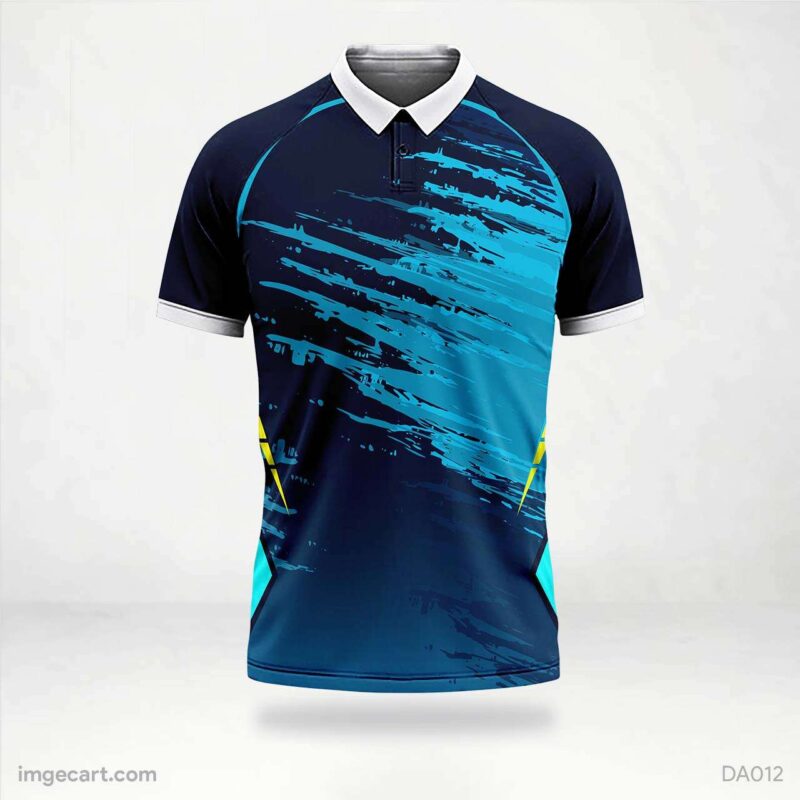
The Evolution of Jersey Design: A Blend of Function, Fashion, and IdentityThe Evolution of Jersey Design: A Blend of Function, Fashion, and Identity


Jersey design has come a long way from its early origins, where functionality was the primary focus, to today’s fashion-forward and highly technical garments that reflect team identity, culture, and performance. Whether for a professional athlete, a weekend warrior, or a fashion-conscious fan, jerseys have transformed into essential pieces of clothing that not only serve a practical purpose but also embody passion, loyalty, and style.

The Origins of Jersey Design

Historically, the jersey was a simple garment, originally designed for comfort and practicality. Early sports jerseys were made from basic fabrics like wool or cotton, with little attention paid to aesthetics or performance features. In the late 19th and early 20th centuries, as sports became more formalized and teams began to compete in leagues, the need for standardized uniforms emerged. These early jerseys were functional but often quite plain, marked only by basic numbers, sometimes in contrasting colors.

As sports grew in popularity, so did the significance of the jersey. Teams began to incorporate unique designs and colors that represented their identity, and athletes started wearing jerseys that signified their affiliation with a team or country. What started as a simple item of clothing quickly became a symbol of pride, loyalty, and identity.

The Importance of Jersey Design in Modern Sports

Today, jersey design is an integral part of the sports world, with professional teams and athletes leveraging their uniforms as tools for branding, cultural expression, and even fan loyalty. A well-designed jersey can help build a team’s image and make it more recognizable, both in the stadium and on the global stage. This visibility is key for sponsors, broadcasters, and fans alike. Many teams have adopted unique designs, colors, and logos that are instantly recognizable, and in some cases, jerseys have become collector’s items, further amplifying their cultural significance.

  1. Team Identity Jerseys are powerful tools for creating team identity. The color scheme, logo, and design all serve to set a team apart from others. For example, Manchester United’s red kit evokes passion and energy, while the New Zealand All Blacks’ black jerseys symbolize strength and power. Teams carefully choose colors and design elements that align with their core values and evoke specific emotional responses from their fans.

  2. Branding and Sponsorship In today’s sports industry, jerseys have become a major avenue for branding and sponsorships. Logos of companies such as Nike, Adidas, and Under Armour are prominently displayed on jerseys, often making up a substantial portion of the revenue for teams. These sponsorships have become an essential part of the business side of sports, with jersey design being key to maintaining the aesthetic appeal while accommodating corporate branding.

  3. Fan Connection For fans, wearing a jersey is an expression of loyalty and community. Jerseys are a way to show support for a favorite player or team, and many fans wear their jerseys to games, events, or casually to represent their team’s culture. In some cases, jerseys are designed specifically for fans, featuring stylish touches like retro designs, customized options, or fan-specific colors and slogans.

The Components of Modern Jersey Design

Modern jersey design is a highly complex process that blends art, fashion, technology, and athletic performance. Every detail—no matter how small—is carefully considered to create a cohesive and effective design. Here are some of the key components of jersey design:

  1. Fabric and Material Performance fabrics are at the core of modern jersey design. Advances in textile technology have introduced materials that are lightweight, breathable, moisture-wicking, and durable. Polyester blends are commonly used because they are strong and resistant to wear, while fabrics like Lycra or spandex offer a level of stretch for optimal movement.

    For instance, mesh panels are often incorporated into the design for added breathability, while moisture-wicking technology ensures that sweat is quickly drawn away from the body, keeping athletes cool and dry. These fabric innovations are crucial in ensuring that athletes can perform at their highest level, no matter how intense the competition.

  2. Design Elements: Logos, Numbers, and Text Logos are integral to jersey design, as they often represent a team’s identity or a company’s brand. A logo’s placement and size are critical to achieving the desired look, whether on the chest, sleeve, or back. While team logos are often front and center, many jerseys also feature sponsor logos, which are typically positioned on the chest or shoulders.

    Player names and numbers are essential aspects of jersey design, ensuring that fans can easily identify their favorite athletes. These elements must be legible, stylish, and complementary to the overall design. The font used for numbers and letters is carefully chosen to reflect the team’s aesthetic, whether it’s bold and dynamic or sleek and minimalistic.

  3. Color Schemes and Patterns Color is one of the most important elements in jersey design, as it evokes emotion and identity. For instance, red is often associated with power and passion, blue with trust and loyalty, and green with vitality and energy. The strategic use of color can help a team stand out and forge a deeper connection with its fanbase.

    Patterns—such as stripes, checkerboards, or gradient effects—are also commonly used to add depth and dimension to a jersey design. Many teams incorporate their city or regional symbols, such as flags or geographic patterns, into their jerseys to create a stronger sense of local pride.

  4. Fit and Cut The fit of a jersey is crucial to its functionality and comfort. While the classic fit used to be loose and baggy, today’s jerseys are often more form-fitting, offering a streamlined silhouette that facilitates movement and enhances the athlete’s performance. However, fan jerseys or casual wear jerseys may lean toward a looser fit for a more relaxed and fashionable look.

    For professional athletes, a jersey’s fit can be designed to optimize both performance and comfort. Modern jerseys often feature contoured stitching that follows the body’s natural lines, allowing for greater flexibility during physical activity.

Innovations in Jersey Design

Jersey design is continuously evolving, thanks to technological advancements and the growing demand for both fashion and performance. Some of the most exciting innovations in recent years include:

  1. Sustainable Materials As the world shifts toward more eco-conscious practices, sustainable materials have become an important trend in jersey design. Many sportswear brands are now using recycled polyester, organic cotton, and other eco-friendly fabrics to create jerseys that are both high-performance and environmentally responsible.

  2. Smart Jerseys The integration of technology into jersey design is also on the horizon. Smart jerseys equipped with sensors that track heart rate, body temperature, and movement are already being used by athletes for performance analysis. These high-tech garments offer valuable data that can improve training and recovery.

  3. Customization Fans increasingly demand personalized jerseys. Whether it's adding a name, number, or custom color combinations, customization allows fans to express their individual style and forge a closer connection with their teams. This trend has helped make jerseys even more popular in casual and streetwear fashion.

Conclusion

足球隊服 is no longer just about creating a functional garment; it’s about capturing the spirit, identity, and culture of a team, brand, or individual. Today’s jerseys are an intersection of performance, fashion, and technology. With advanced fabrics, custom designs, and sustainability initiatives, jersey design will continue to evolve, pushing boundaries while keeping the connection between athletes, fans, and brands stronger than ever before. Whether on the field, in the stands, or on the streets, jerseys are more than just clothing—they are powerful symbols of identity, pride, and passion.

How Lab Grown Diamonds Preserve Natural ResourcesHow Lab Grown Diamonds Preserve Natural Resources


When it comes to choosing personalized wedding rings, couples today are increasingly considering the environmental impact of their choices. Lab-grown diamonds have emerged as a sustainable alternative to traditional mined diamonds, offering the same beauty and durability without the environmental toll. These diamonds are created in controlled environments using advanced technological processes that replicate the conditions under which natural diamonds form deep within the Earth. This process not only results in stunning, high-quality diamonds but also helps preserve natural resources, making lab-grown diamonds an eco-conscious choice.

One of the most significant ways lab-grown diamonds contribute to preserving natural resources is by eliminating the need for large-scale mining operations. Traditional diamond mining requires extensive excavation, often displacing entire ecosystems and causing significant damage to the environment. Massive amounts of water, energy, and chemicals are used in mining processes, which can lead to soil degradation, deforestation, and water pollution. In contrast, lab-grown diamonds are produced with minimal impact on the planet, reducing the pressure on Earth’s ecosystems and natural habitats.

Lab-grown diamonds are created using two main methods: High Pressure High Temperature (HPHT) and Chemical Vapor Deposition (CVD). Both processes involve creating the ideal conditions for carbon atoms to bond and form diamonds, but they do so in laboratory settings that consume far fewer natural resources compared to mining. The HPHT method mimics the high-pressure, high-temperature environment of the Earth’s mantle, while the CVD method uses a gas mixture to deposit carbon atoms onto a substrate, forming diamond crystals over time. Both techniques are highly efficient, utilizing less water, land, and energy compared to mining operations.

By reducing the demand for mined diamonds, lab-grown diamonds also help preserve valuable natural resources such as fossil fuels and water. Mining operations often rely on the use of fossil fuels to power heavy machinery and transport materials. Additionally, the extraction process consumes large quantities of water, which is often sourced from nearby rivers or underground reserves. Lab-grown diamonds, on the other hand, can be produced using renewable energy sources, and the water consumption in their production is significantly lower, further reducing their environmental footprint.

The ethical implications of lab-grown diamonds extend beyond resource conservation. Traditional diamond mining has been associated with human rights violations, including exploitative labor practices and conflicts in certain regions. The rise of lab-grown diamonds offers a transparent and ethical alternative. Consumers can rest assured knowing that their personalized wedding rings, made with lab-grown diamonds, are free from the ethical concerns tied to the mining industry. Lab-grown diamonds are created in controlled environments with a focus on worker safety, fair wages, and ethical practices.

Another key advantage of lab-grown diamonds is that they contribute to reducing carbon emissions. Diamond mining is an energy-intensive process, and the transportation of mined diamonds to market results in a significant carbon footprint. Lab-grown diamonds, especially those produced using renewable energy sources, have a much lower carbon footprint. This shift toward sustainable practices in diamond production is an important step in combating climate change and protecting natural resources for future generations.

In addition to the environmental benefits, lab-grown diamonds offer consumers a more affordable option for high-quality, ethically sourced gemstones. Since they can be produced in a laboratory setting, the supply of lab-grown diamonds is not limited by the availability of natural deposits. This means that they are often more cost-effective than mined diamonds, providing couples with the opportunity to invest in a beautiful and sustainable symbol of their love without breaking the bank.

The environmental advantages of lab-grown diamonds are clear, but it’s essential to recognize the broader implications for the jewelry industry. As more consumers choose lab-grown diamonds, the demand for sustainable practices in other aspects of jewelry production is likely to grow as well. From sourcing ethical materials to ensuring sustainable manufacturing processes, the shift toward lab-grown diamonds could encourage further innovation in the industry, ultimately leading to more sustainable and responsible practices across the board.

In conclusion, lab-grown diamonds represent a significant step forward in preserving natural resources and protecting the environment. For couples seeking personalized wedding rings that align with their values, choosing lab-grown diamonds is a powerful way to make an eco-conscious decision. By reducing the need for harmful mining practices, conserving natural resources, and offering a more affordable and ethical option, lab-grown diamonds are revolutionizing the jewelry industry and helping to pave the way for a more sustainable future.

How to Gamble Responsibly in Korea: Tips and ResourcesHow to Gamble Responsibly in Korea: Tips and Resources

| | 0 Comments| 12:33 pm


Gambling can be an exciting and rewarding activity, but it comes with risks. In Korea, where both land-based and online casinos are popular, gambling responsibly is crucial for ensuring that it remains a fun and controlled experience. Responsible gambling practices not only help in preventing addiction but also promote a healthy relationship with gambling. This article provides essential tips and resources for individuals in Korea who want to enjoy gambling responsibly.

1. Set a Budget and Stick to It

One of the most important principles of responsible gambling is setting a budget before you start playing. Whether you are gambling online or at a land-based casino in Korea, having a clear budget helps you avoid spending more than you can afford to lose. Setting a budget allows you to manage your finances effectively and ensures that gambling remains a form of entertainment rather than a source of financial strain.

Before you start gambling, decide how much money you are willing to spend. This should be an amount that you can comfortably afford to lose without affecting your daily living expenses. Once your budget is set, avoid the temptation to chase losses by increasing your bets beyond your predetermined limit.

Additionally, it’s important to separate your gambling funds from your daily expenses. This ensures that you don’t accidentally spend more than intended. If you find it difficult to stick to your budget, consider using tools or apps designed to track your gambling expenditure.

2. Know the Odds and Play Games You Understand

Gambling should always be viewed as a form of entertainment, not a guaranteed way to make money. Understanding the odds of the games you play can help you make informed decisions and prevent unrealistic expectations. Games like baccarat, roulette, and slots have different odds, and being familiar with how these odds work can help you make smarter bets.

In Korea, online casinos offer a wide variety of games, each with its own set of rules and payout structures. It is essential to play games that you understand thoroughly. Learning the rules and practicing strategies in free demo versions can give you the confidence to play responsibly. For instance, if you are new to poker or blackjack, taking time to understand the strategies and odds involved can enhance your gambling experience and reduce the likelihood of making impulsive decisions.

Before engaging in high-stakes games, ensure that you have a solid understanding of the rules, as well as the expected payouts and odds. This will help you avoid unnecessary risks and gambling with unrealistic expectations.

If you're looking for a trusted platform for online gambling in Korea, 먹튀폴리스 provides valuable insights and safety tips to help you make informed decisions.

3. Take Breaks and Limit Your Time Spent Gambling

One of the key aspects of responsible gambling is knowing when to stop. It's easy to get caught up in the excitement of the game, but spending too much time gambling can lead to problems. To prevent this, it's important to take regular breaks. Set time limits for your gambling sessions to ensure that you don't spend hours in front of a screen or at the casino.

Setting time limits allows you to maintain control over your gambling habits and ensures that it doesn't interfere with other important aspects of your life. If you find yourself losing track of time or gambling for long periods, consider taking a step back and re-evaluating your relationship with gambling.

Many online casinos in Korea offer features that allow players to set daily or weekly time limits on their accounts. These self-imposed restrictions can serve as a helpful reminder to take breaks and avoid excessive gambling.

4. Don’t Chase Losses

Chasing losses is a dangerous behavior that can quickly spiral out of control. If you find yourself losing money, resist the urge to bet more in an attempt to recover your losses. This can lead to even bigger losses and potentially create a cycle of financial strain. Remember, gambling should never be seen as a way to solve financial problems.

It is important to recognize when it's time to stop, especially if you're on a losing streak. Setting clear limits on your losses can help you avoid making reckless decisions. A good rule of thumb is to stop gambling once you've reached your budget or your self-imposed loss limit.

Gambling is meant to be a form of entertainment, not a solution to financial difficulties. If you are facing financial troubles, it may be a good idea to take a break from gambling and seek advice from a financial counselor or support group.

5. Seek Support if You Feel Gambling Is Becoming a Problem

If you ever feel that your gambling habits are getting out of control, it's important to seek help immediately. Many people struggle with gambling addiction, and there are various resources available in Korea to support individuals who need assistance. Gambling addiction can affect not only your finances but also your mental and emotional well-being.

In Korea, several organizations offer counseling and support services for individuals dealing with gambling addiction. The Korean National Gambling Control Commission (NGCC) provides resources and helplines for individuals who need help. Additionally, the Korea Responsible Gambling Foundation (KRGF) offers programs to help people with gambling problems and their families.

For those who prefer online support, many websites and platforms offer resources for responsible gambling. These resources often include self-assessment tools, helplines, and counseling services to help individuals address any concerns they may have.

If you're unsure about the legitimacy of an online casino platform, trusted websites like 먹튀폴리스 offer helpful reviews to guide you toward safe and responsible gambling experiences.

6. Avoid Gambling Under the Influence

One of the most important tips for gambling responsibly is to avoid gambling when under the influence of alcohol or drugs. These substances impair judgment and can lead to reckless decisions that you might not make while sober. Gambling while intoxicated can increase the risk of making impulsive bets, chasing losses, or spending more money than you can afford.

Before you start gambling, ensure that you are in a clear and focused state of mind. If you find yourself feeling intoxicated or emotionally distressed, it's best to take a break or stop gambling altogether. Responsible gambling requires self-control and a clear understanding of your limits.

Many online casinos in Korea provide features that allow players to set restrictions on their accounts, such as self-exclusion tools, which can be especially helpful for individuals who may struggle with gambling while under the influence.

7. Educate Yourself on Responsible Gambling

Knowledge is power when it comes to responsible gambling. Take the time to educate yourself about responsible gambling practices and how to recognize the signs of gambling addiction. Many online resources and local organizations provide educational materials that can help you better understand the risks associated with gambling.

Understanding the warning signs of gambling addiction, such as spending more money than you can afford or gambling in secret, can help you identify potential problems early on. By staying informed, you can make responsible decisions and enjoy gambling in a safe and controlled environment.

Final Thoughts

Gambling responsibly is key to ensuring that it remains an enjoyable activity rather than becoming a harmful habit. By setting limits, understanding the games you play, and knowing when to stop, you can maintain control over your gambling activities. If you ever feel that your gambling is becoming problematic, don't hesitate to seek help from professionals and trusted resources.

For more information on safe gambling practices and to find reliable gambling platforms in Korea, visit 먹튀폴리스, where you can access reviews and guidance to make informed decisions while gambling online.

Transform Your Look This Spooky Season: The Ultimate Guide to Halloween Contact LensesTransform Your Look This Spooky Season: The Ultimate Guide to Halloween Contact Lenses


Halloween is right around the corner, and it’s time to start planning your costume. Whether you’re going for scary, enchanting, or downright bizarre, Halloween contact lenses are the secret ingredient to take your look to the next level. In this ultimate guide, we’ll show you how to choose the perfect lenses, style them with your costume, and keep your eyes safe while making a statement.

Why Halloween Contact Lenses Are a Game-Changer

Halloween contact lenses offer an instant transformation for your costume. Here’s why they’re a must-have:

  • Unmatched Realism: From glowing vampire eyes to eerie zombie looks, these lenses bring your character to life.
  • Unique Styles: Choose from sclera lenses for a full-eye effect, cat eyes for a mystical look, or UV lenses for a glowing surprise in the dark.
  • Versatility: Perfect for pairing with both simple DIY costumes and professional-grade cosplay.

Choosing the Right Halloween Contact Lenses

With so many options, picking the perfect pair can be overwhelming. Consider these tips:

  1. Match Your Theme: Decide on your costume first. For vampires, opt for red or black lenses. Zombies? Go for whiteout or blind lenses. Fairies or mythical creatures? Try vibrant colors like violet or green.
  2. Comfort Level: If you’re new to wearing contact lenses, start with smaller designs like mini sclera lenses instead of full sclera ones.
  3. Quality and Certification: Always buy FDA-approved Halloween contact lenses to ensure safety and comfort.

Pairing Halloween Contact Lenses with Costumes

Here are some iconic costume ideas enhanced by Halloween contact lenses:

  • Vampire: Red or black sclera lenses pair perfectly with fangs and a dramatic cape.
  • Zombie: Whiteout lenses make your undead look chillingly realistic. Add fake blood and torn clothing for effect.
  • Witch: Green or purple lenses add an enchanting vibe to your witch’s outfit.
  • Werewolf: Cat eye lenses mimic a wild, animalistic gaze. Pair with fur accessories.
  • Demon: Black or fiery red lenses give you a sinister and otherworldly appearance.

Safety Tips for Halloween Contact Lenses

Wearing Halloween contact lenses can be safe and enjoyable if you follow these precautions:

  1. Purchase from Trusted Sellers: Buy your lenses from reputable websites like HalloweenContactLenses.com.au to ensure authenticity.
  2. Consult Your Eye Doctor: Even if they’re for cosmetic purposes, get a prescription to ensure a proper fit.
  3. Practice Hygiene: Wash your hands before handling lenses, and use fresh solution to clean and store them.
  4. Limit Wear Time: Don’t wear them for more than 8 hours to prevent eye strain or irritation.
  5. Avoid Sharing: Never share your contact lenses with others.

Where to Buy Halloween Contact Lenses

Find the widest selection of safe, high-quality Halloween contact lenses at HalloweenContactLenses.com.au. Browse through an array of styles to find the perfect match for your Halloween look.

Final Thoughts

Halloween contact lenses are the ultimate accessory to transform your costume from ordinary to extraordinary. Whether you’re planning to spook your friends or dazzle at a party, the right pair of lenses will make all the difference. Remember to prioritize safety and comfort while enjoying the thrill of Halloween.

Get ready to make a statement this spooky season! Explore the best collection of Halloween contact lenses today and turn your costume vision into reality